On Monday 2 August 2027, the midday sky will turn to twilight, and for up to six minutes and twenty-three seconds the Sun’s corona will blaze in the sky. This is the total solar eclipse 2027 best places guide — the eclipse of the century, with the longest totality visible from land until 2114. Around 88.9 million people live inside the path — choose your spot now.
The path is up to 258–259 km wide, crossing Spain, Morocco, Algeria, Tunisia, Libya, Egypt, Sudan, Saudi Arabia, Yemen and Somalia. That gives you a rare choice — a Spanish beach, a Tangier rooftop, or the temples of Luxor — but totality ranges from under two minutes in Spain to more than six in Egypt.
Why the 2 August 2027 Eclipse Is So Special
Most total eclipses last two or three minutes; this one lasts up to 6 minutes 23 seconds near Luxor — the longest from land until 2114.
The path starts in southern Spain, crosses North Africa, and finishes over the Red Sea and Saudi Arabia. It falls in peak holiday season, so hotels and flights will sell out months ahead — see our best places to travel in August 2027 and best places to travel in 2027 guides.
How to Choose Where to Watch the Eclipse
- Totality length. The one thing you cannot get back: Egypt offers 5–6+ minutes, Spain 2–4.5.
- Clear-sky odds. A cloud at the wrong minute ruins everything: Luxor’s August cloud-cover frequency is around 0.7%.
- Heat and comfort. Egypt in August reaches around 43°C (109°F) at midday; Spain is far more forgiving.
- Cost and logistics. Spain is easy: fly in, take a train, walk to a beach. Egypt is cheaper but demands more planning.
The Sun sits about 37° above the horizon in Spain — low enough to frame with a coastline — and about 82° up in Luxor. Partial phases last roughly 80 minutes before and after totality, so bring certified eclipse glasses and arrive an hour early.
Spain: The Easy European Option
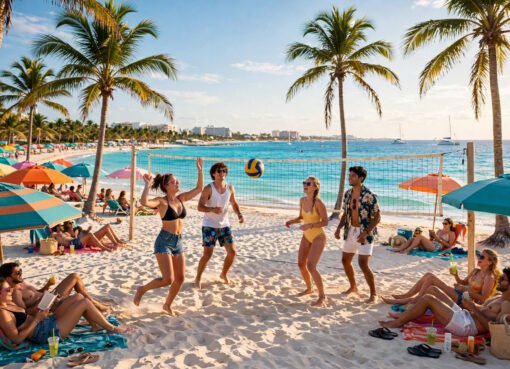
Spain is where the eclipse makes landfall — the simplest choice: no visa, no extreme heat, cheap flights.
1. Tarifa, Spain — 4m 39s at 10:45 CEST
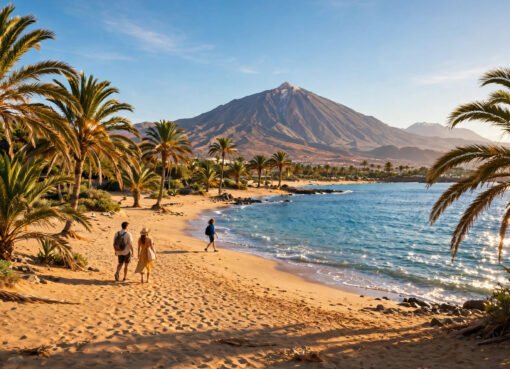
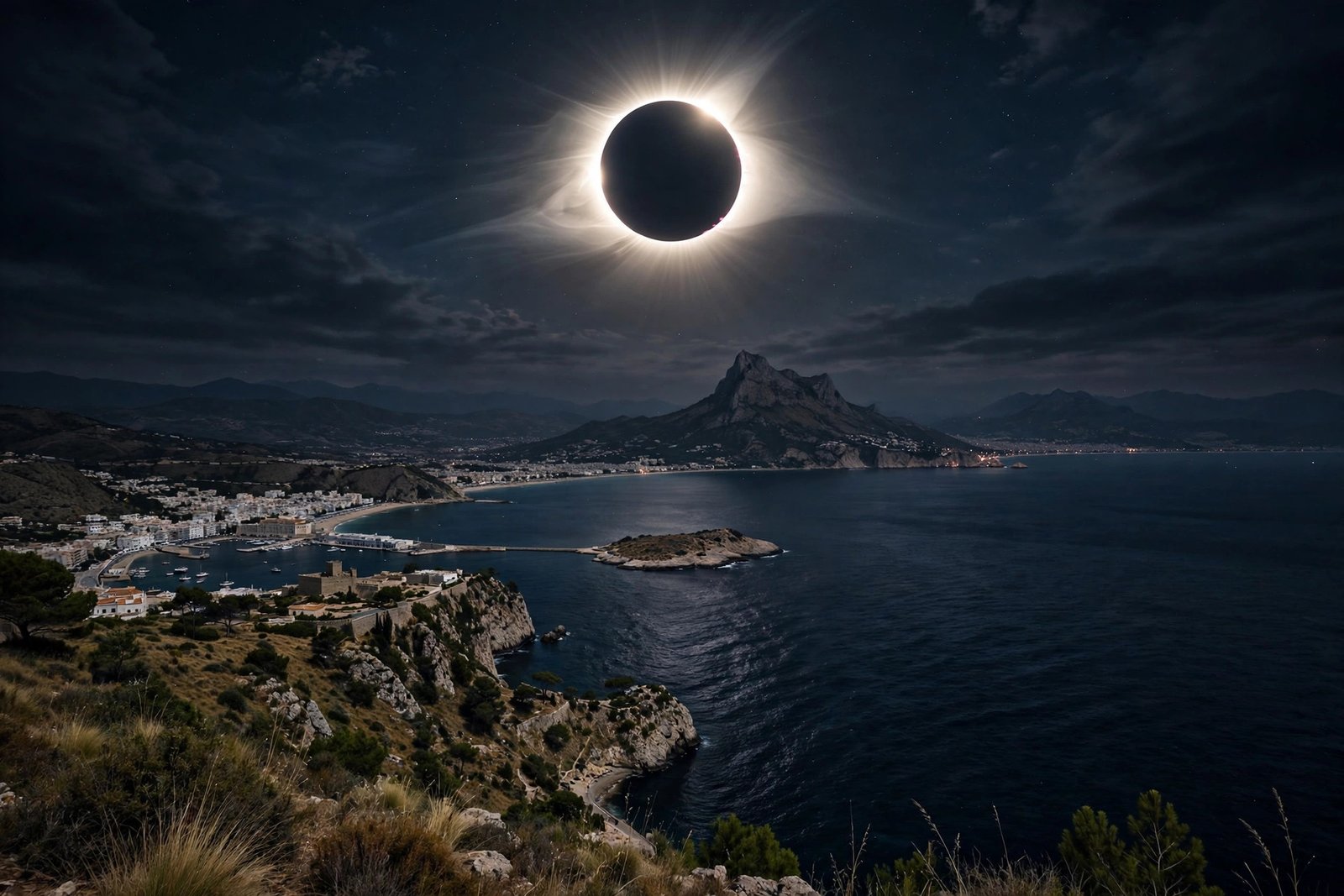
Tarifa is the pick of Spain: totality lasts 4 minutes 39 seconds from around 10:45 CEST, the longest in Spain, with the eclipsed Sun low over the Strait of Gibraltar. Morning coastal haze is possible, so keep a backup spot inland; hostel dorms run roughly €25–40 a night and guesthouses €50–80, though eclipse-week prices will spike if you book late.
2. Cádiz, Spain — 2m 51s
Cádiz, one of Europe’s oldest cities, gets 2 minutes 51 seconds of totality — less than half of Tarifa’s. Watching the sky go dark over a 3,000-year-old port is unforgettable, and the fried-fish and sherry scene makes the weekend worthwhile. Cádiz is bigger, with more hotels and hostels (roughly €25–45 a night) — but do not move on eclipse morning; the roads will be jammed.
3. Málaga, Spain — 1m 52s
Málaga sits near the northern edge of the path, so totality lasts only 1 minute 52 seconds. But it has the best flight connections of any Spanish eclipse town — a major airport and the most hotel beds — making it workable for a short trip. Hostels run roughly €25–40 a night — but if the eclipse is the point, Tarifa’s extra three minutes are worth the two-hour bus ride west.
Morocco and Algeria: North Africa on a Budget
Cross the strait and the eclipse gets longer, the skies clearer, and your money goes further.
4. Tangier, Morocco — 4m 50s
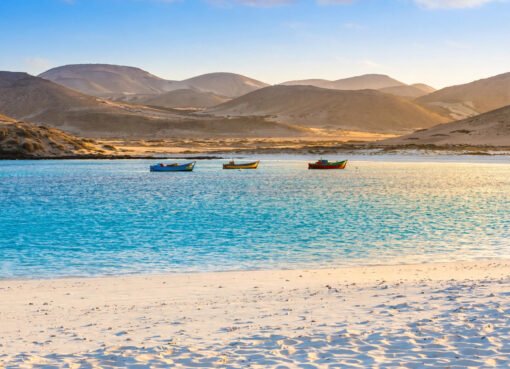
Tangier gets 4 minutes 50 seconds of totality — longer than anywhere in Spain — and ferries run from Tarifa in about an hour. The medina and kasbah make Tangier a real destination; see our Morocco travel guide 2027 for practicalities. Cloud odds are good in August, and prices are backpacker-friendly: hostel beds roughly $10–20 a night and guesthouses $25–45.
5. Oran, Algeria — 5m 6s
Oran, Algeria’s great Mediterranean port, gets 5 minutes 6 seconds of totality — the first spot on our list past five minutes. The eclipse arrives around midday, with the Sun high and the sky typically clear in August, and the corniche and Santa Cruz fort offer open views. The catch is access: Algeria’s tourist visa is slower and more paperwork-heavy, so start it months ahead — but hotels and food are cheap.
Egypt: The Longest Totality on Earth
This is where the eclipse becomes the eclipse of the century: the path runs the length of the Nile, and five to six-plus minutes of totality will not be beaten from land until 2114. The price is August heat up to around 43°C (109°F). Our Egypt travel guide 2027 covers visas, transport and costs — but note Cairo only sees about 94% partial eclipse, so it misses totality entirely.
6. Luxor, Egypt — 6m 19–20s at 13:02 EEST
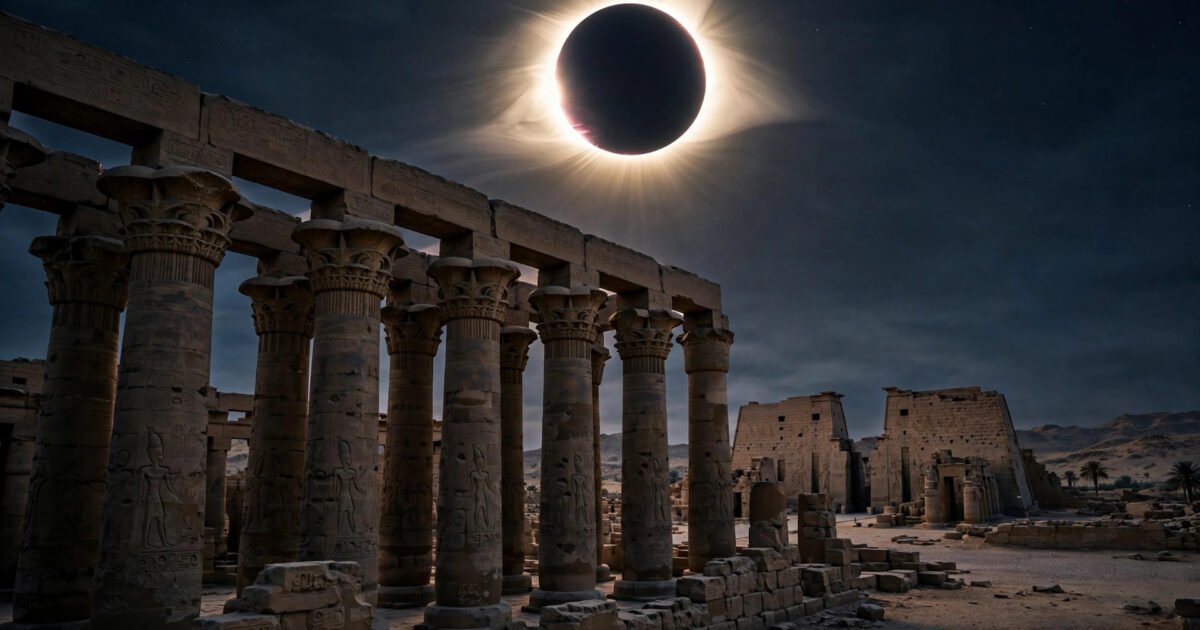
Luxor is the single best place on Earth to watch this eclipse: totality lasts 6 minutes 19–20 seconds, peaking around 13:02 EEST, with the Sun about 82° overhead and cloud-cover frequency of roughly 0.7%. Six minutes above the temples of Karnak and Luxor is unforgettable. Dust and haze are a bigger risk than cloud here, so pick a spot with a clear horizon. The heat is the real challenge — midday in August can reach around 43°C (109°F) — so watch from shade and carry extra water; hostel beds run roughly $8–20 a night and budget hotels $25–50, but book early.
7. Sohag, Egypt — 6m 22s
Sohag, a working Nile city halfway between Cairo and Luxor, gets the longest totality of the entire eclipse: 6 minutes 22 seconds, because it sits very close to the centreline. The skies are just as clear and the crowds far smaller than in Luxor — but Sohag has far fewer hotels and almost no tourist infrastructure. Hotel rooms run roughly $20–40 a night, and the city is on the Cairo–Luxor train line — though eclipse-day trains will be packed.
8. Siwa Oasis, Egypt — 5m 32s
Siwa Oasis is the romantic’s choice: a remote desert oasis near the Libyan border, famous for its salt lakes and oracle temple. Totality lasts 5 minutes 32 seconds, under some of the clearest, darkest skies in Egypt — a desert eclipse with almost no light pollution and no crowds. Getting there is a long desert drive from Cairo or the coast, and accommodation is small-scale — eco-lodges and guesthouses roughly $15–40 a night — so arrive two or three days early.
9. Red Sea Coast (Hurghada), Egypt — 6m 20s
The Red Sea coast around Hurghada gets about 6 minutes 20 seconds of totality — nearly as long as Luxor — with the bonus of the sea: watch the sky darken over the water, then cool off with a swim. Hurghada has the most resort infrastructure on this list, though eclipse week will be busy. Budget tip: skip the all-inclusive resorts and book in the old town (El Dahar) or Sakala, where rooms run roughly $20–45 a night.
Saudi Arabia and the Rock
The eclipse finishes its land journey over the Arabian Peninsula.
10. Jeddah, Saudi Arabia — 6m 2s
Jeddah, on Saudi Arabia’s Red Sea coast, gets 6 minutes 2 seconds of totality — a full six minutes in a modern, accessible city, arriving in the afternoon with the Sun still high. The corniche offers long open views, and the old town of Al-Balad is a UNESCO site. Saudi tourist visas add cost and paperwork, budget hotels run roughly $40–80 a night, and August heat is severe — so book early.
11. Gibraltar — 4m 25s
Gibraltar gets 4 minutes 25 seconds of totality — nearly as long as Tarifa — with the eclipsed Sun low over the strait and the Rock towering above the town. The Upper Rock offers viewpoints over the whole bay, and for UK travellers it is the easiest spot: no visa, English spoken, sterling accepted. Gibraltar is tiny, with very limited hotel rooms — so stay in La Línea, Spain (roughly €30–60 a night) and walk across on eclipse morning.
12. Eclipse Cruise Ship — Up to 6+ Minutes, Weather-Proof
The wildcard: watch from a cruise ship in the path, most likely in the Mediterranean off southern Spain or the Red Sea off Egypt. A ship can move to dodge clouds, and some eclipse cruises chase the shadow for the maximum possible duration. It is also the most expensive by far, typically thousands of dollars per person, and by late 2026 most dedicated sailings are already heavily booked — so book immediately if it fits your budget.
Best Eclipse 2027 Places Compared
| Place | Totality | Best for |
|---|---|---|
| Luxor, Egypt | 6m 19–20s | Longest totality, temples, clearest skies |
| Sohag, Egypt | 6m 22s | Maximum totality, fewest crowds |
| Red Sea coast, Egypt | 6m 20s | Long totality with beaches and resorts |
| Jeddah, Saudi Arabia | 6m 2s | Six minutes with big-city comfort |
| Siwa Oasis, Egypt | 5m 32s | Remote desert skies |
| Oran, Algeria | 5m 6s | Five minutes off the beaten path |
| Tangier, Morocco | 4m 50s | Best value at backpacker prices |
| Tarifa, Spain | 4m 39s | Best in Europe |
| Gibraltar | 4m 25s | Iconic backdrop |
| Cádiz, Spain | 2m 51s | City break with an eclipse |
| Málaga, Spain | 1m 52s | Best flights and hotels in Spain |
Egypt dominates on duration and clear skies, Spain wins on ease, Morocco offers the best compromise. If you can only pick one, pick Luxor — or Sohag or the Red Sea coast if Luxor is booked out.
Budget Planning: When to Book, What It Costs, What to Watch Out For
Eclipse travel breaks normal budget rules: demand is concentrated on a single day in a handful of places. Hotels in Luxor, Tarifa and Tangier are already filling, and prices will spike as 2 August 2027 approaches — so book by early 2027, with free cancellation, and stay nights either side of the eclipse. See our dream budget vacations under $1,000 in 2027 and cheapest places to travel each month in 2027 guides.
Rough planning estimates (eclipse-week prices move fast): Egypt hostel beds roughly $8–20 a night, budget hotels $25–50; Spain hostel dorms roughly €25–40, budget hotels €50–90; Morocco hostels roughly $10–20, guesthouses $25–45. Food is cheap — a few dollars a meal in Egypt and Morocco, €8–15 in Spain — so lock in flights and accommodation first.
Eclipse Glasses and Eye Safety — Read This First
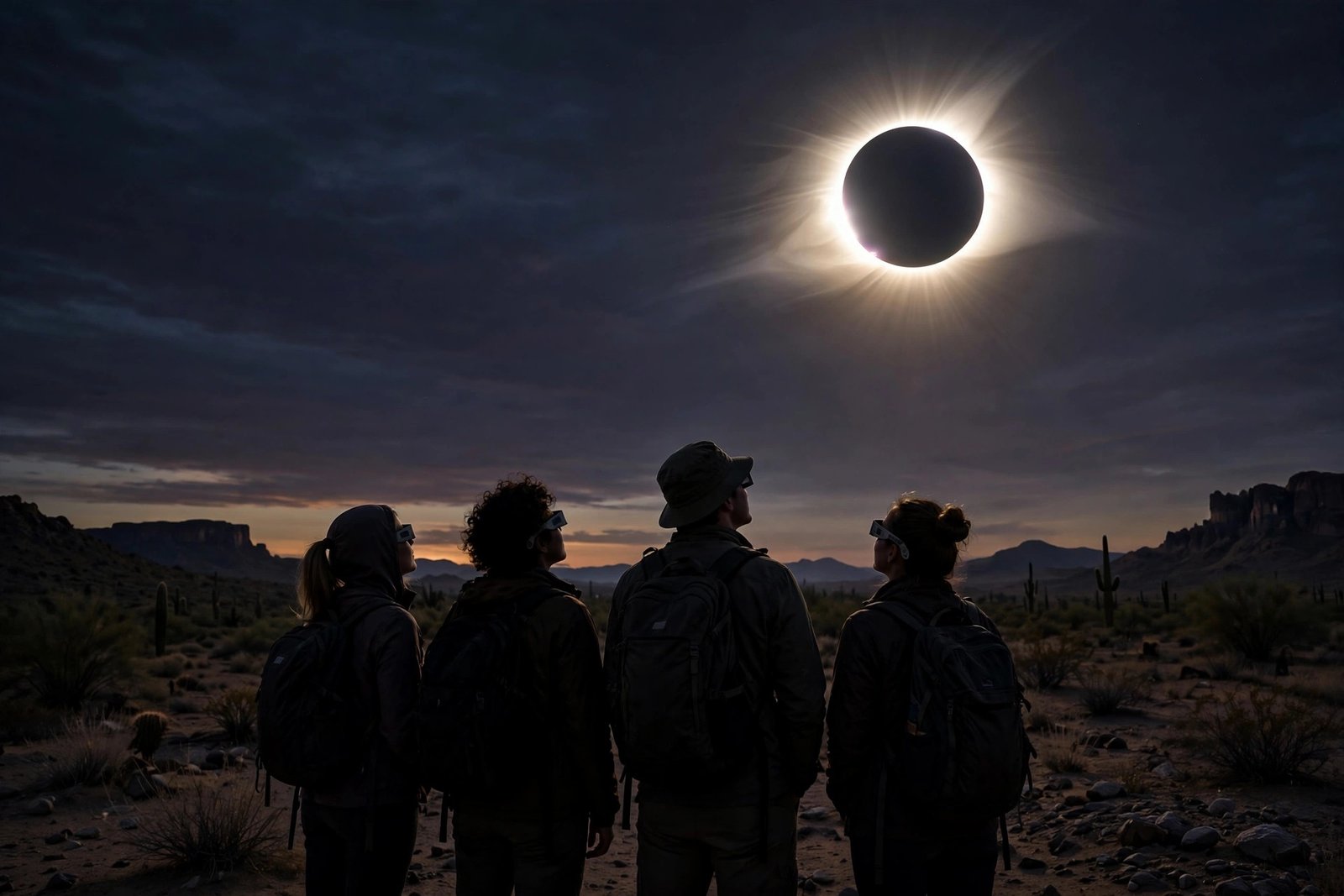
Never look at the Sun without certified eclipse glasses except during totality, when it is fully covered. Looking at the partial eclipse with the naked eye or sunglasses can cause permanent eye damage in seconds, so buy glasses meeting ISO 12312-2 from a reputable seller. During totality — and only during totality — you can safely remove them and look at the corona; the moment sunlight reappears, put them straight back on. Partial phases last roughly 80 minutes either side of totality; never use binoculars or telescopes without a proper solar filter. Buy glasses well before you travel — they sell out and fakes circulate.
Heat Planning for Egypt
Egypt in August is the hottest option here, with midday temperatures up to around 43°C (109°F). Treat heat as a safety issue: drink water constantly (at least a litre an hour in the midday sun), wear a hat, light loose clothing and sunscreen, and sightsee early and late in the day. Watch from shade if you can, and rest in air conditioning before and after — heatstroke can ruin a trip faster than a cloud.
Sample Itinerary: 3 Days in Luxor for the Eclipse
Day 1 — Arrive and acclimatise (1 August). Arrive in Luxor, check in, and rest out of the heat. At sunset, walk the Corniche, visit Luxor Temple as the lights come on, and eat dinner locally. Buy extra water, check your glasses, and scout your viewing spot.
Day 2 — Eclipse day (Monday 2 August 2027). Be at your viewing spot by 11:00 AM — the partial eclipse begins roughly 80 minutes before totality. Totality peaks around 13:02 EEST and lasts 6 minutes 19–20 seconds: glasses off, look at the corona and the horizon. Afterwards, retreat to air conditioning; evening felucca ride on the Nile.
Day 3 — The West Bank (3 August). Start at dawn: Valley of the Kings, the Temple of Hatshepsut and the Colossi of Memnon. Rest through midday, then spend the afternoon in Karnak and finish with dinner on the East Bank.
Total Solar Eclipse 2027 FAQs
Is it safe to watch the total solar eclipse 2027 with the naked eye?
Only during totality, when the Sun is completely covered. During the partial phases — roughly 80 minutes before and after — wear certified eclipse glasses meeting ISO 12312-2. Remove them only during totality.
Where can I buy certified eclipse glasses?
Buy from a reputable astronomy supplier, and check the glasses meet ISO 12312-2. Buy early — well before summer 2027 — because glasses sell out and counterfeits circulate. Inspect them before use: if scratched or damaged, do not use them.
What if it is cloudy on eclipse day?
That is the biggest risk, and why Luxor is the top pick: its August cloud-cover frequency is around 0.7%, so clouds are extremely unlikely. Spain carries a modest morning cloud risk, so have a backup location a short drive away and be ready to move early.
Can I see totality from Cairo or Seville?
No. Cairo only sees about 94% covered, Algiers about 99.7%, and Tunis about 96%. Even 99% is not totality: the sky does not go dark, the corona does not appear, and you must keep your glasses on. Seville is outside the path too — from Cairo, Luxor is the obvious destination.
When is the next total solar eclipse after 2027?
The next total solar eclipse after 2 August 2027 is on 22 July 2028, crossing Australia, including Sydney, followed by southern Africa and Australia in 2030 and North America in the 2030s and 2040s. But no eclipse from land will beat 2027’s 6 minutes 23 seconds until 2114.
Do I need a tour to see the eclipse?
No, but a tour can help in Egypt. Independent travel works fine in Spain, Morocco and Gibraltar. In Egypt, a tour or local guide solves the practical headaches — transport, heat, securing a viewing spot. Travelling independently in Egypt, book everything early and consider a local guide for eclipse day.
Final Thoughts: Book Now, Thank Yourself in August 2027
The total solar eclipse of 2 August 2027 is the rarest kind of travel event: a fixed date, a known path, a once-in-a-century duration. Pick Luxor for the longest totality and clearest skies, Tarifa for the best European experience, or Tangier for the best value — then book by early 2027, buy certified eclipse glasses, and plan for the heat.
Ready to plan your eclipse trip? Start with our Egypt travel guide 2027 for Luxor, Cairo on a budget 2027 for the capital, best places to travel in August 2027 for summer, and ways to travel cheaper in 2027. The sky will go dark at midday on Monday 2 August 2027 whether you are there or not — make sure you are there.