Venice is crowded, Barcelona is protesting tourists, and Santorini’s sunset spots now need a queueing strategy. Meanwhile, Europe is full of places just as beautiful that most travelers have never heard of. These hidden gems in Europe for 2027 are the quiet alternatives: medieval towns without the tour buses, islands without the influencers, and mountain valleys where the price of dinner is still set for locals. Time Out’s October 2026 ranking of the world’s most underrated destinations for 2027 put Europe’s quiet corners at the very top — this guide turns that list and our own research into 25 places worth planning a trip around.
Why Hidden Gems Are the Smart Choice in 2027
Three forces make 2027 the year of the hidden gem. Overtourism rules are tightening in the famous cities — visitor caps, tourist taxes, and short-term rental crackdowns — while quieter destinations are actively welcoming visitors with lower prices and genuine hospitality. Social media has also made “undiscovered” a moving target: places featured on 2027 best-of lists will get busier, so the time to visit is now, before the crowds follow the coverage. Finally, hidden gems are simply cheaper: a dinner in Sibiu or Skopje costs half what it costs in Paris or Rome, and guesthouses still charge local rates.
1. Bucovina, Romania — The World’s Most Underrated Destination for 2027
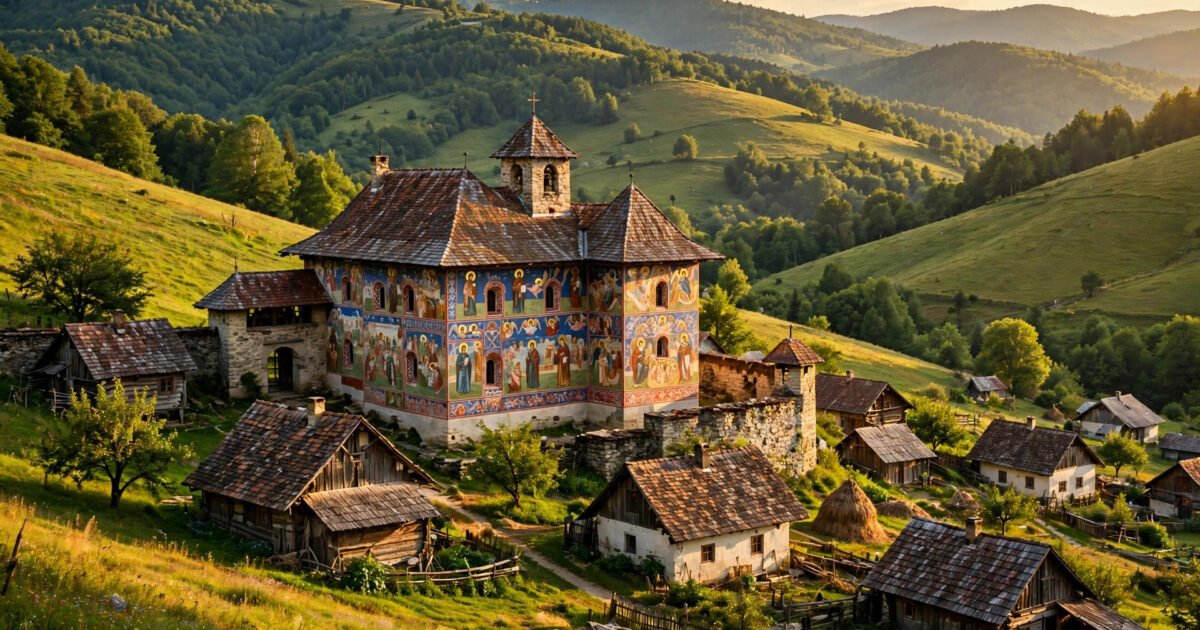
Time Out named Bucovina the world’s most underrated destination for 2027, and it is easy to see why: painted monasteries with 500-year-old exterior frescoes (Voroneț’s “Sistine Chapel of the East” is UNESCO-listed), rolling Carpathian foothills, and villages where horse carts still outnumber cars. It is Transylvania’s beauty without Transylvania’s crowds. Base yourself in Suceava or Gura Humorului and visit by local bus. Daily budget: €30–45.
2. Asturias, Spain — Oviedo, Gijón & Avilés
Northern Spain’s green coast ranked third in the world on Time Out’s 2027 underrated list. Oviedo’s old town serves cider poured from a height, Gijón has a surf beach and a fishing harbor, and Avilés has a gleaming cultural center in a beautifully restored old town. The food scene — fabada stew, Cabrales cheese, sidra — is Spain’s best-kept secret. Daily budget: €45–65.
3. Karpathos, Greece — The Quiet Dodecanese Island
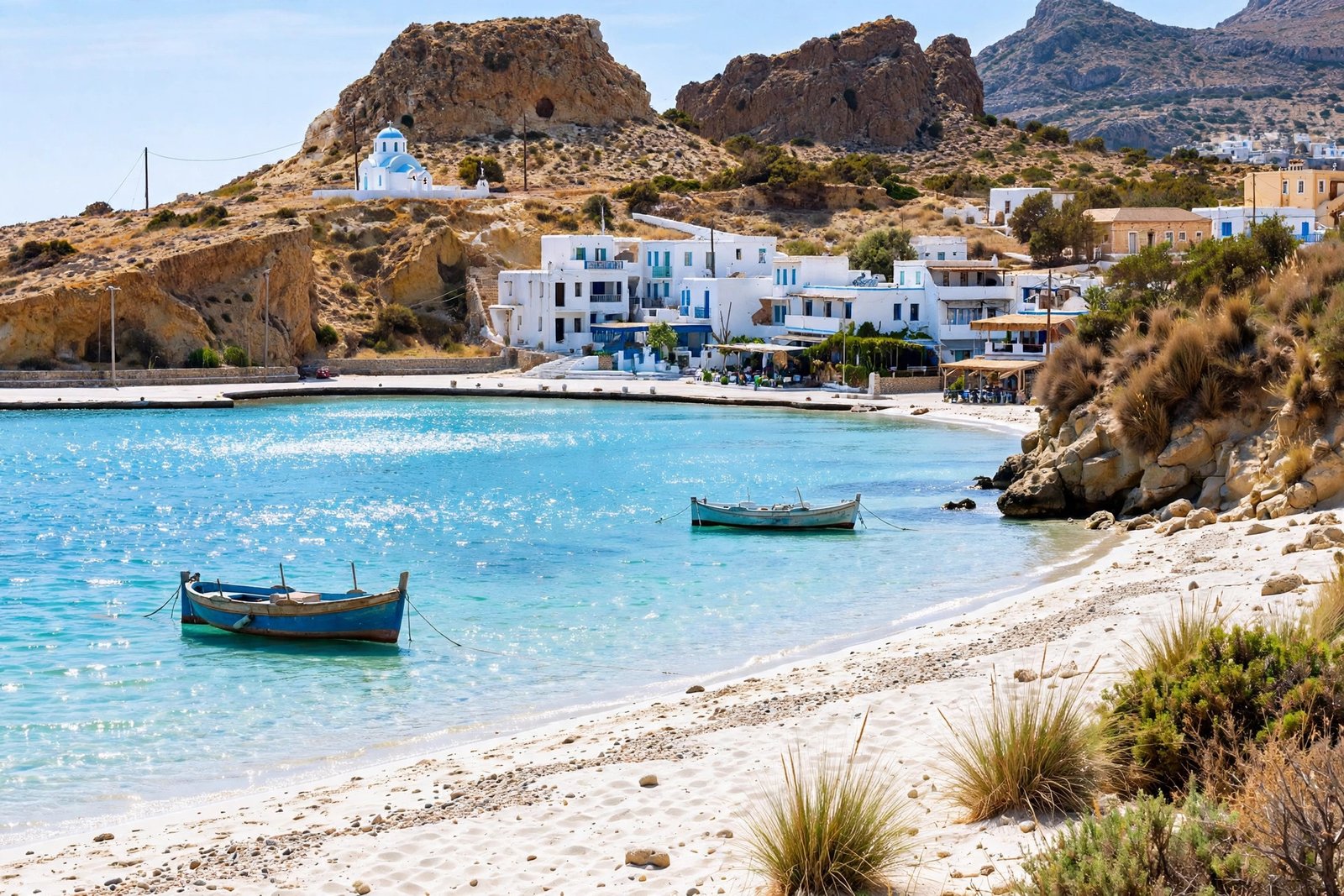
Karpathos is Greece’s sole representative on Time Out’s 2027 underrated list, and it is the anti-Mykonos: near-empty beaches, crystal water where monk seals still swim, and the mountain village of Olympos where locals still wear traditional dress. Reach it by ferry from Rhodes (about 4 hours) or a short flight from Athens. Daily budget: €45–65.
4. Skopje, North Macedonia — Europe’s Most Surprising Capital
Skopje pairs Ottoman bazaars and Byzantine churches with one of Europe’s boldest (and strangest) rebuilding projects — giant statues, grand bridges, and neoclassical facades that divide opinion but never bore. Add the nearby Matka Canyon for kayaking and cave monasteries, and a food scene where a full meal costs €5–8. Daily budget: €30–45.
5. Sibiu, Romania — Transylvania’s Prettiest City
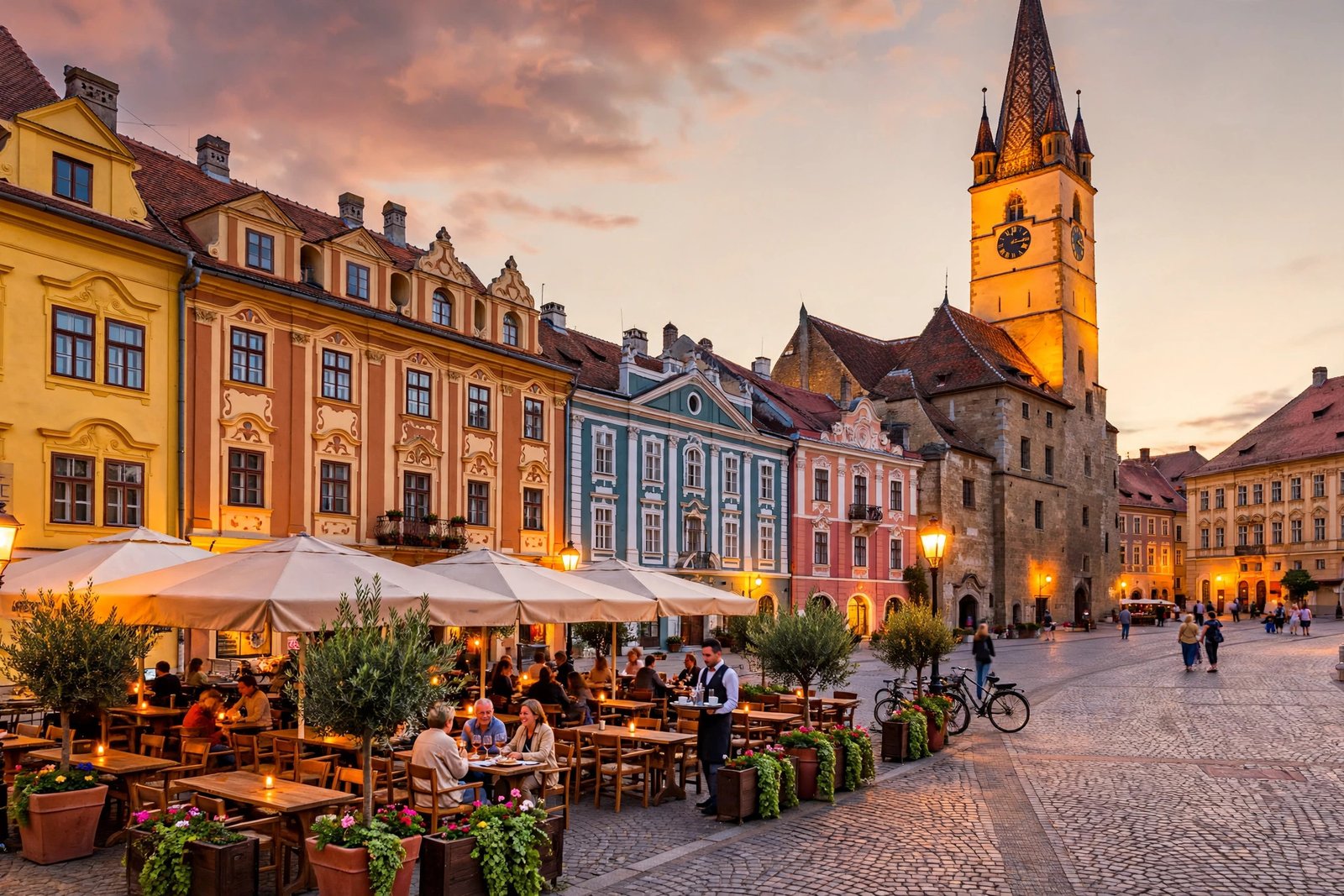
Sibiu’s pastel squares, “houses with eyes” (rooftop windows that seem to watch you), and a fortified old town make it Romania’s most photogenic city — and it sees a fraction of Brașov’s visitors. The surrounding villages and the Transfăgărășan mountain road make it a perfect multi-day base. Daily budget: €35–50.
6. São Miguel, Azores, Portugal — Europe’s Hawaii
The Azores’ largest island packs volcanic crater lakes, hot springs, tea plantations, and whale watching into one green island, a 2-hour flight from Lisbon. Sete Cidades’ twin lakes are the postcard, but the real magic is the empty hiking trails and the €10 seafood lunches. Daily budget: €50–70.
7. Zambujeira do Mar, Portugal — The Alentejo Coast
Ranked sixth in the world on Time Out’s 2027 list, this Alentejo fishing village sits above dramatic cliffs and a Blue Flag beach. Outside the August music festival weekend, it is almost empty — wild Atlantic coast, fresh fish restaurants, and guesthouses at a third of Algarve prices. Daily budget: €45–65.
8. Carry-le-Rouet, France — The Côte d’Azur Without the Prices
Half an hour from Marseille, this small Mediterranean port has the same limestone coves and seafood restaurants as the famous Riviera towns — minus the yacht crowds and the €25 cocktails. Swim, snorkel the calanques, and eat bouillabaisse where locals eat it. Daily budget: €55–75.
9. Srebrenik, Bosnia and Herzegovina — A Medieval Fortress Town
Srebrenik’s hilltop fortress is one of Bosnia’s best-preserved medieval castles, and the surrounding countryside offers hiking, local cuisine, and warm hospitality at Balkan prices. Combine it with the nearby towns of Tuzla and the waterfalls of the Una valley for a full offbeat itinerary. Daily budget: €30–45.
10. Flåm, Norway — Fjords on a Budget (Yes, Really)
Norway is famously expensive, but Flåm is the exception that proves the rule: the Flåm Railway is one of the world’s great train journeys, the fjord cruises are worth every krone, and staying in the village hostel or a nearby farm guesthouse keeps costs manageable. Travel in May or September for lower prices and thinner crowds. Daily budget: €70–100.
11. Malmö, Sweden — Copenhagen’s Cheaper, Cooler Neighbor
Twenty minutes by train from Copenhagen across the Øresund Bridge, Malmö has the same Scandinavian design, cycling culture, and waterfront — at noticeably lower prices. Its food halls, the Turning Torso skyline, and the medieval streets of nearby Lund make a perfect long weekend. Daily budget: €60–85.
12. Piran, Slovenia — Venice in Miniature
Piran is a compact Venetian harbor town on Slovenia’s short coastline: narrow lanes, a hilltop church, fresh seafood on the waterfront — and a fraction of the visitors that crowd Croatia’s islands just down the coast. Stay overnight: day-trippers leave by late afternoon and the town glows at sunset. Daily budget: €50–70.
13. Gozo, Malta — Malta’s Slower Sister
A 25-minute ferry from Malta’s main island, Gozo is rural valleys, salt pans, coastal walks, and village life at a pace the main island lost years ago. Hire a car or e-bike, explore the north-coast salt pans at dawn, and eat rabbit stew in a village square. Daily budget: €45–65.
14. Lake Ohrid, North Macedonia & Albania — The Balkan Lake Como
One of Europe’s oldest and deepest lakes, Ohrid has Byzantine churches, lakeside villages, and clear water — a calm alternative to Lake Como or Bled at a third of the price. Base yourself in the eastern-shore village of Trpejca rather than central Ohrid town for the quietest stay. Daily budget: €30–45.
15. Ribeira Sacra, Spain — Galicia’s Canyon Country
Inland Galicia hides terraced vineyards and monasteries above the Sil River canyon, well off Spain’s coastal circuit. Take a river catamaran through the canyon, visit small family wineries, and stay in a converted monastery. Best in May–June or at harvest in September–October. Daily budget: €45–65.
16. Alentejo, Portugal — Portugal at Its Most Unhurried
Cork forests, whitewashed hill towns like Monsaraz, and wild Atlantic beaches — the Alentejo is Portugal without the Algarve crowds. Combine Évora’s Roman temple and bone chapel with the Vicentine coast for a road trip that feels like a discovery. Daily budget: €45–65.
17. Matera, Italy — The Ancient Cave City
Matera’s Sassi — cave dwellings inhabited for 9,000 years — are one of Europe’s most extraordinary sights, yet the city still feels like a discovery compared with Rome or Florence. Stay in a cave hotel, eat in the old town’s family restaurants, and pair it with nearby Puglia. Daily budget: €55–75.
18. Veliko Tarnovo, Bulgaria — The City of the Tsars
Bulgaria’s medieval capital hangs dramatically above the Yantra River gorge, with a fortress, craft streets, and a sound-and-light show over the citadel. It is one of the Balkans’ most atmospheric cities and one of its cheapest — a full dinner costs €8–12. Daily budget: €30–45.
19. Eguisheim, France — Alsace’s Fairytale Village
While Colmar’s canals get the crowds, nearby Eguisheim — concentric lanes of half-timbered houses draped in flowers, surrounded by vineyards — was voted France’s favorite village. Taste Riesling at family wineries and walk the vineyard trail to the ruined castle above. Daily budget: €55–75.
20. The Hague, Netherlands — Beyond Amsterdam
The Hague made Time Out’s 2027 underrated list for good reason: the Mauritshuis (home of Vermeer’s Girl with a Pearl Earring), the beach at Scheveningen, and a stately, local-feeling city that most Netherlands itineraries skip. It is an easy, cheaper alternative base to Amsterdam. Daily budget: €60–85.
21. Turku, Finland — The Original Finnish Capital
Finland’s oldest city has a riverside castle, a medieval cathedral, and a café culture along the Aura River — plus the gateway to the Turku archipelago’s 20,000 islands. Summer brings riverside terraces and a food scene that punches above its size. Daily budget: €55–80.
22. Gibraltar — Two Continents in One Day
Britain’s tiny territory at Spain’s southern tip packs the Rock’s apes and tunnels, Mediterranean views to Africa, and a genuinely odd cultural mix into one walkable peninsula. Day-trip it from Andalusia or pair it with Cádiz for a longer break. Daily budget: €50–70.
23. Cartagena, Spain — Rome Meets the Mediterranean
Cartagena’s Roman theatre, Carthaginian walls, and naval harbor sit on Spain’s Murcia coast, far from the Costa Blanca crowds. The tapas scene is excellent, the beaches are nearby, and prices are set for locals, not tourists. Daily budget: €45–65.
24. Brecon Beacons, Wales — Hiking and Stargazing
Wales’ Bwlch Mountain and the Brecon Beacons offer dark-sky stargazing, waterfall walks, and ridge hikes that rival the Lake District — with far fewer visitors. Base yourself in a market town like Crickhowell and walk straight from your guesthouse door. Daily budget: £50–75.
25. Faroe Islands — The Edge of the World
Grass-roofed villages, sea cliffs, puffins, and weather that changes every ten minutes: the Faroes are the North Atlantic’s most dramatic archipelago, and still feel like an expedition rather than a holiday. Fly from Copenhagen or Edinburgh, rent a car, and drive the subsea tunnels between islands. Daily budget: €70–100.
How to Plan a Hidden-Gem Trip in 2027
Go Before the Lists Catch Up
Every destination on Time Out’s 2027 underrated list will get busier as the year goes on — that is the paradox of hidden gems. The smart move is to book for spring or early summer 2027, before the peak-season coverage lands, and to travel midweek where possible.
Travel Slow and Local
Hidden gems reward slow travel: stay in family guesthouses, eat where locals eat, and use local buses instead of rental cars where you can. You will spend less, and the places you visit will benefit more — which is what keeps them gems.
Pair a Gem With a Classic
The easiest way to try a hidden gem is to bolt it onto a famous trip: Bucovina after Bucharest, Karpathos after Rhodes, the Alentejo after Lisbon, Malmö after Copenhagen. You get the classic and the discovery in one journey.
Hidden Gems in Europe: FAQs
What is the most underrated destination in Europe for 2027?
Time Out’s October 2026 ranking named Romania’s Bucovina the world’s most underrated destination for 2027, ahead of Spain’s Asturian cities and Greece’s Karpathos. All three feature in this guide.
Are hidden gems actually cheaper?
Usually, yes. Destinations on this list average €30–70 per day for a budget traveler, compared with €80–120 in Paris, Rome, or Amsterdam — because accommodation, food, and activities are priced for locals rather than for mass tourism.
When is the best time to visit hidden gems in Europe?
Late spring (May–June) and early autumn (September–October) are ideal: good weather, open seasonal businesses, and the fewest visitors. Summer works too — these places stay quiet even in July and August compared with the famous cities.
How do I get to places like Bucovina or Karpathos?
Bucovina is reached via Suceava (flights from Bucharest or by train) plus local buses. Karpathos has flights from Athens and ferries from Rhodes. Most gems on this list are 1–2 connections from a major European hub — which is exactly why they stay quiet.
Will hidden gems stay hidden?
Not forever — that is the point. Overtourism coverage pushes travelers toward quieter places, and the places on 2027’s lists will get busier. Visit now, travel respectfully, and keep the next discovery to yourself.
Final Thoughts: Go Quiet in 2027
The best trips of 2027 will not be the ones everyone else takes. Bucovina’s painted monasteries, Karpathos’s empty beaches, Sibiu’s pastel squares, and the Alentejo’s wild coast are all waiting — cheaper, calmer, and more rewarding than the places fighting overtourism. Pick one gem, pair it with a classic, and go before the crowds catch up. Happy travels!