Europe does not have to cost a fortune. While Paris, London and Santorini drain wallets, a whole continent of cities serves up grand architecture, old-town atmosphere and great food for a fraction of the price. This guide to the cheapest cities in Europe for 2027 ranks 15 cities by real daily budget — hostel beds, street food, transport and the best free things to do — so you can plan a European trip that costs less than a weekend at home.
How We Ranked the Cheapest Cities in Europe
Daily budgets below cover a budget traveler: a hostel dorm or cheap guesthouse, three inexpensive meals (including street food and market lunches), local transport and one or two paid sights, with the rest free. Prices are drawn from 2026 budget guides and rounded to realistic ranges — treat them as planning figures, not guarantees, and always check current prices before booking. Cities are ordered from cheapest to priciest, and every city here is reachable on budget airlines or cheap trains from the UK and Western Europe.
1. Sarajevo, Bosnia and Herzegovina — $28–38 Per Day
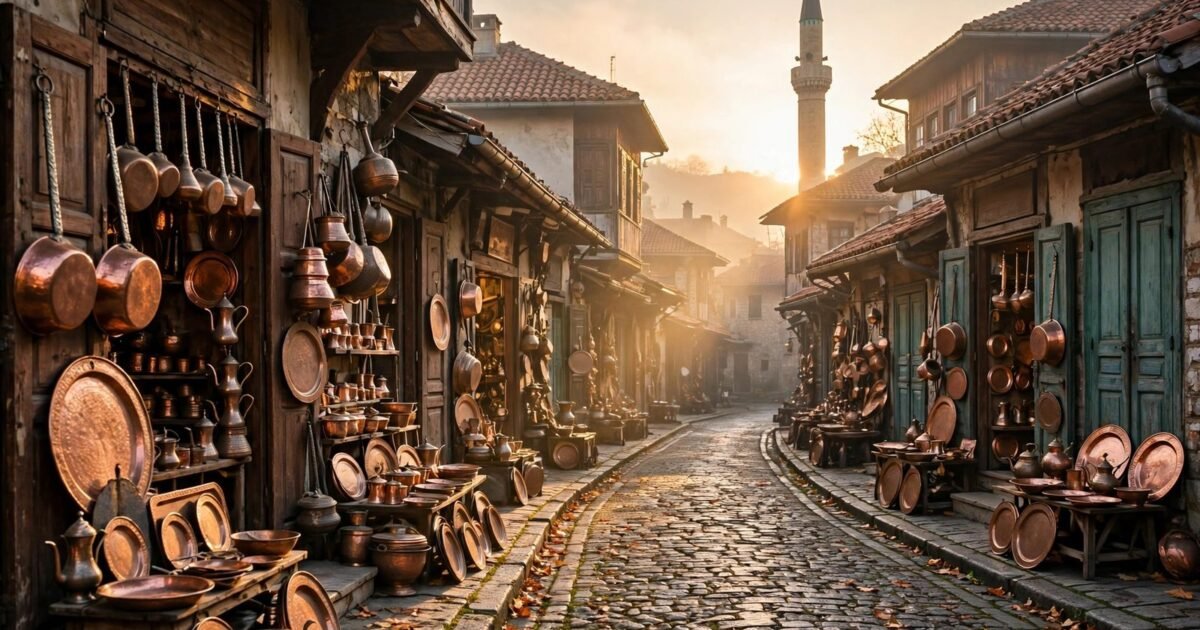
Sarajevo is the best value in Europe right now. Ottoman mosques, Austro-Hungarian facades and Balkan coffeehouses sit within a five-minute walk in the Baščaršija bazaar, and almost nothing here feels like settling for less. Hostel beds start around $12 a night, a full plate of ćevapi with fresh somun bread runs $4–6, and trams cost next to nothing. Do not miss the sunset from the Yellow Fortress — still the best free view in the city — and the War Childhood Museum, one of the most affecting small museums in Europe. A half-day trip to Mostar and its famous Stari Most bridge is easy and cheap.
2. Tirana, Albania — $30–45 Per Day
Albania’s capital is chaotic, colorful and absurdly good value. Communist-era blocks painted in cheerful pastels, a relentless café culture where an espresso costs about €1.60, and a food scene that punches far above its price tag. Skanderbeg Square, the Bunk’Art museums inside a Cold War bunker and the Dajti Mountain cable car at sunset are the headline sights, and Tirana is also the gateway to the Albanian Riviera. For the full country picture, read our Albania travel guide 2027.
3. Sofia, Bulgaria — $30–45 Per Day
Sofia is one of the cheapest capitals in the EU, and one of the most underrated. Roman ruins sit beside Ottoman mosques and a golden-domed cathedral, Vitosha Mountain rises right behind the city for cheap hiking, and the food is a bargain — banitsa pastries for €1.50, shopska salad for €2.50–3, and a hearty restaurant meal for €5–9. Hostels run €8–12 a night and the metro costs under €1 a ride. Stay an extra day and take the cheap train to Plovdiv, one of Europe’s oldest cities.
4. Skopje, North Macedonia — $30–44 Per Day
Skopje is gloriously odd — a riverfront of giant statues, Ottoman bazaars, a stone bridge and a fortress above it all — and it is genuinely cheap. Hostel beds from $10, burek and kebabs for $2–4, and the Old Bazaar (one of the largest in the Balkans) costs nothing to wander. The Millennium Cross cable car gives panoramic views for a few dollars, and Lake Matka’s canyon, a half-hour bus ride away, is a superb cheap day trip for kayaking and hiking.
5. Bucharest, Romania — $32–45 Per Day
Bucharest pairs belle-époque boulevards with the heaviest building on earth — the Palace of Parliament — and prices that embarrass Western Europe. Hostels from $12, filling restaurant meals for $6–10, and the Old Town’s bars and cafés stay cheap even late at night. The city’s parks are free, many museums are under $5, and day trips to Brașov and Bran Castle (the “Dracula’s Castle” of legend) run on cheap trains. Budget travelers should also try the city’s thermal spa, Therme, on a weekday for lower entry prices.
6. Belgrade, Serbia — $34–49 Per Day
Belgrade has the best nightlife-per-dollar in Europe, but there is much more: the Kalemegdan Fortress above the Danube-Sava confluence, the bohemian Skadarlija quarter of cobbles and live music, and a café culture that treats a €2 coffee as a two-hour event. Hostels run €10–15, ćevapi costs €6–7, and dinner for two with drinks comes to about €30–35. The fortress, the riverside promenades and the city’s many parks are all free.
7. Kraków, Poland — $35–50 Per Day
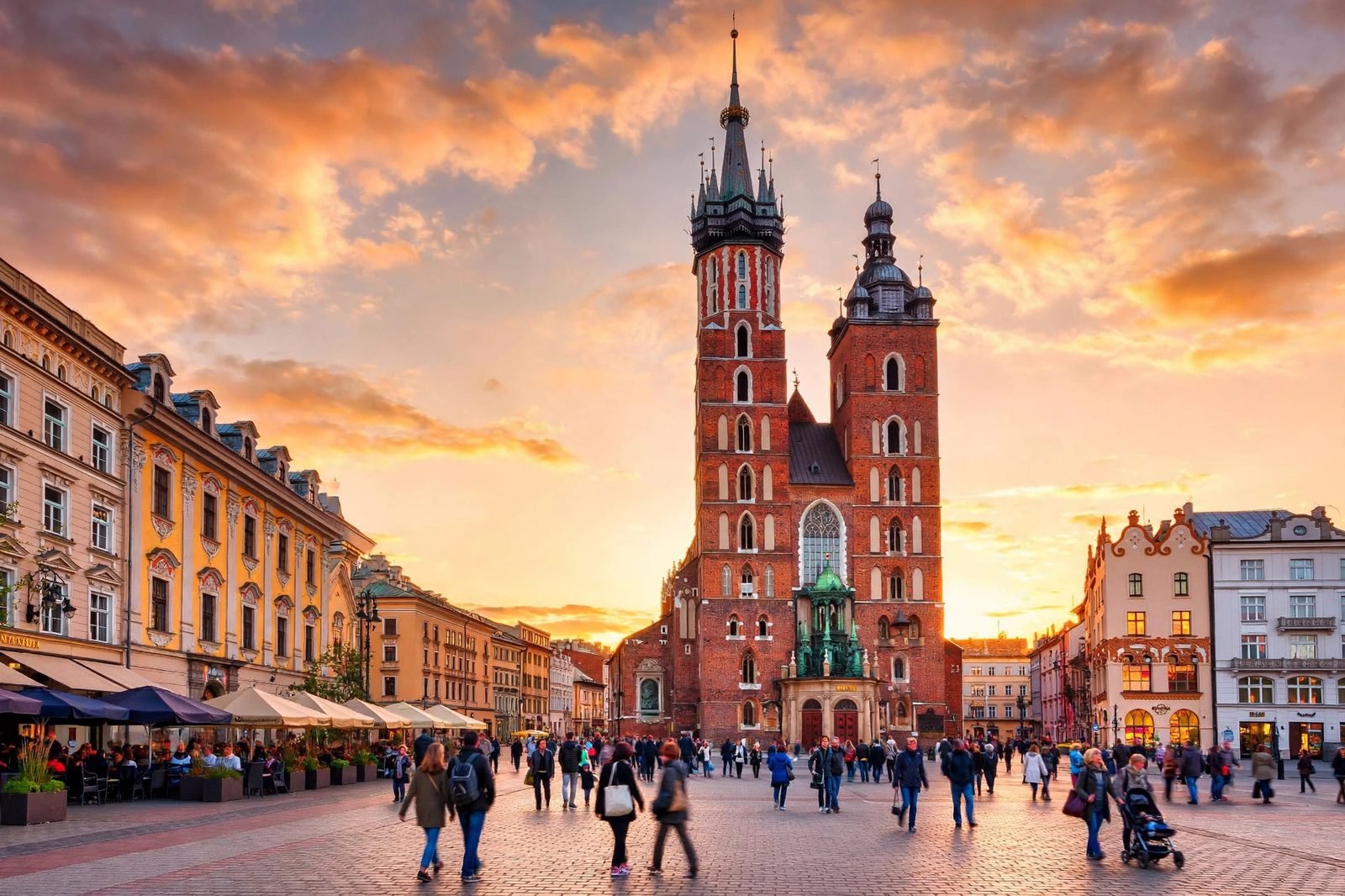
Kraków is slightly pricier than the Balkans but still very affordable by European standards — and it may be the prettiest city on this list. The Main Market Square is Europe’s largest medieval square and completely free to wander, Wawel Castle and the Kazimierz Jewish quarter reward slow walking, and the Wieliczka Salt Mine is a justifiably famous day trip. The budget secret: skip the Main Square restaurants and eat at a Bar Mleczny (milk bar), a communist-era canteen where pierogi and soup cost under $6. Hostels run $15–30 a night.
8. Budapest, Hungary — $40–58 Per Day
Budapest offers grand architecture, thermal baths and ruin bars at prices that still surprise first-timers. The Parliament Building, Fisherman’s Bastion and the Danube at night are all free to admire, and the city’s famous thermal baths — Széchenyi, Gellért — cost far less than any spa in Western Europe. Eat lángos from a street stall for €3–4, take a two-course lunch for €7–9, and ride the metro (a UNESCO-listed line, no less) for pennies. Hostels run €10–15 a night; mid-range hotels from €60.
9. Porto, Portugal — $42–60 Per Day
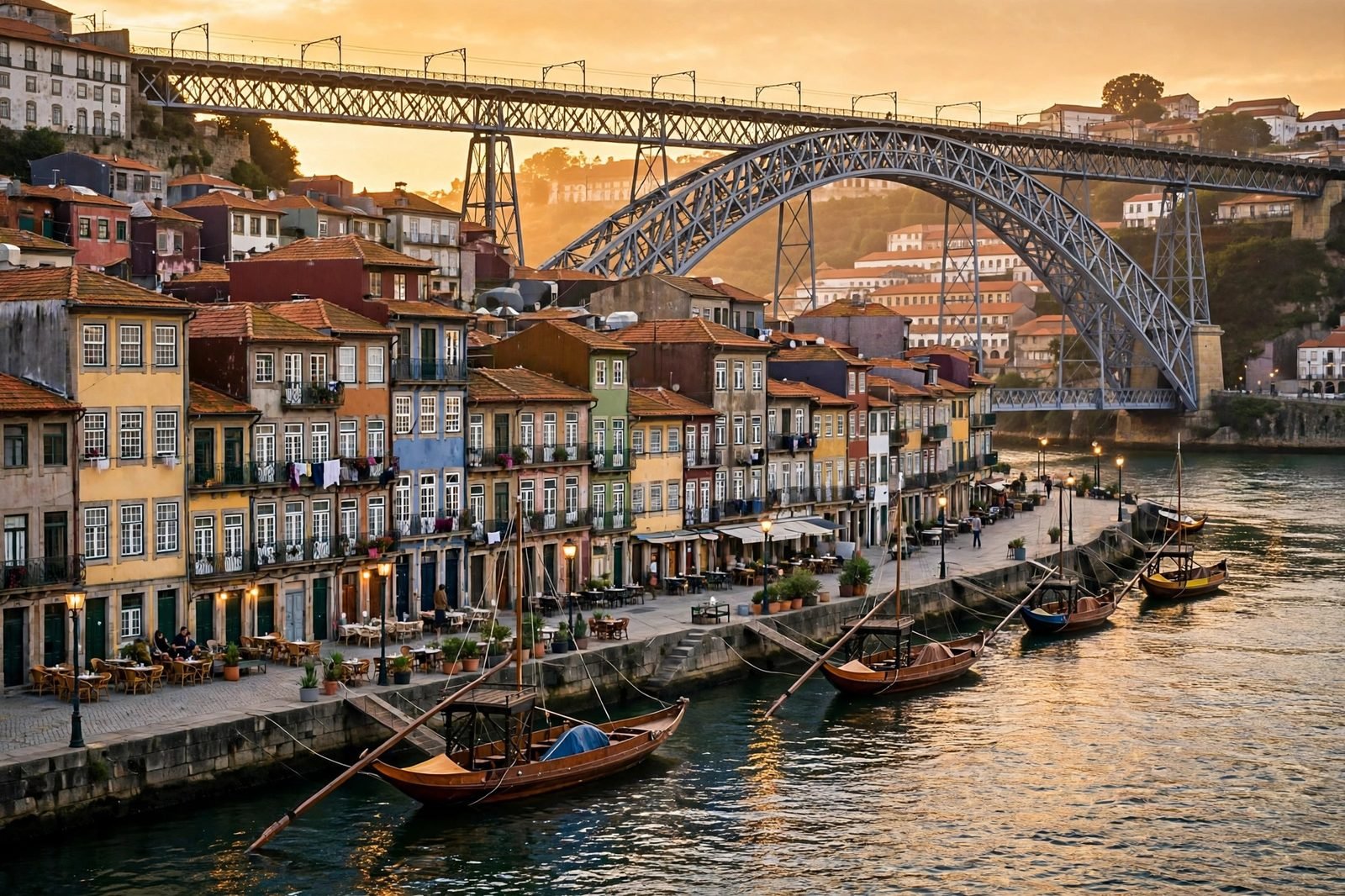
Porto is one of the cheapest major cities in Western Europe, and one of the most photogenic. The Ribeira district tumbles down to the Douro, port wine cellars in Vila Nova de Gaia offer tastings for a few euros, and the Dom Luís I Bridge gives a spectacular free viewpoint from its upper deck. Francesinha — Porto’s legendary heart-attack sandwich — costs about €10, hostels run €20–40, and the Atlantic beaches at Matosinhos are a cheap metro ride away. If you love Portugal, our December guide also covers Porto’s festive season.
10. Athens, Greece — $43–58 Per Day
Athens has quietly become one of Europe’s better budget deals. The Acropolis and its museum are the headline splurge (book the combined ticket, which covers several ancient sites), but the city’s real pleasures are cheap: wandering Plaka and Anafiotika, street souvlaki for €3–4, and sunset from Philopappos Hill or Mount Lycabettus for free. Hostels run €18–30, and the metro from the airport costs under €10. Come in spring or autumn for the best combination of weather and prices — and compare with our places like Santorini but cheaper for island ideas on the same budget.
11. Valencia, Spain — $45–50 Per Day
Valencia is Spain’s great budget city: a futuristic City of Arts and Sciences, a huge old town, a Turia riverbed park that runs for miles, and a beach at the end of it — all without Barcelona’s prices. The Central Market is a free feast for the eyes and a cheap lunch stop, paella in its home city costs €12–15, and the city rents bikes for a few euros a day along the old riverbed. Come in March for Las Fallas festival, or in late spring for warm weather without the summer crowds. See our cheap places to travel in Europe for how Valencia stacks up against the rest.
12. Riga, Latvia — $45–55 Per Day
Riga has been called Europe’s best-value city, and it is easy to see why. A compact art nouveau old town, a vast Central Market housed in old Zeppelin hangars (cheap smoked fish and rye bread lunches), and a café culture that runs on €2 coffees. Hostels run €12–18, meals €7–12, and most of the old town’s beauty — the House of the Blackheads, the Three Brothers, the Freedom Monument — is free to admire from the street. In summer, the white-sand beach at Jūrmala is a 30-minute cheap train ride away.
13. Bratislava, Slovakia — $39–52 Per Day
Bratislava is the classic budget add-on — an hour from Vienna by bus or boat, a fraction of the price. The old town is small enough to walk in an afternoon, the castle gives views over the Danube for a few euros, and the city’s UFO observation deck is a memorable splurge. Meals run €7–12, beer costs about €2, and hostels start around €15. It also makes a great base: day trips to Vienna, Budapest and the Slovak wine region are all cheap and easy.
14. Plovdiv, Bulgaria — $43–55 Per Day
Plovdiv is one of the oldest continuously inhabited cities on earth — older than Rome, older than Athens — and it is still refreshingly cheap. A Roman theatre still hosts concerts, the Kapana creative district serves craft beer and street food, and the colorful Revival-era old town is free to wander. Hostels run €10–15 and restaurant meals €6–10. Combine it with Sofia (two hours by train) for a Bulgaria week that costs less than a long weekend in Paris.
15. Ljubljana, Slovenia — $44–54 Per Day
Ljubljana is the greenest, most walkable capital in Europe — car-free centre, dragon bridges, a castle hill you can hike for free (or ride the funicular), and a riverside café scene that invites lingering. Slovenia is pricier than the Balkans but still a bargain next to Austria or Italy: hostels €15–25, meals €8–14, and the city’s bike-share system costs a couple of euros a day. From here, Lake Bled is an hour away by bus for one of Europe’s most beautiful day trips.
How to Keep Any European City Under $50 a Day
- Sleep in hostels or private rooms in hostels. Dorm beds are the single biggest saver; in the Balkans and Eastern Europe they run $10–20 a night.
- Eat one big meal a day, from markets and street stalls. A market lunch and a supermarket breakfast can halve your food bill versus three restaurant meals.
- Walk everywhere and use day passes. Every city on this list is walkable at its core; where you need transport, a day pass beats single tickets.
- Front-load the free sights. Old towns, viewpoints, parks, churches and markets cost nothing — save paid entries for the one or two sights that truly matter to you.
- Travel in shoulder season. April–May and September–October bring the best mix of weather, prices and crowd levels in almost every city here.
- Book budget flights early and pack light. Avoiding checked-bag fees on low-cost carriers can save more than a night’s hostel bed.
Cheapest Cities in Europe FAQs
What is the cheapest city in Europe to visit in 2027?
On a daily budget basis, Sarajevo ($28–38 per day) and Tirana ($30–45 per day) are the cheapest cities in Europe in 2027, followed closely by Sofia and Skopje. All four offer hostel beds under $15, street meals under $5, and world-class free sights.
Can you really travel Europe on $50 a day?
Yes — in the Balkans, Eastern Europe and Portugal, $50 a day covers a hostel bed, three inexpensive meals, local transport and a paid sight or two. Western European capitals like Paris, London and Amsterdam are much harder on $50, which is why this list leans east and south.
Which cheap European city is best for first-timers?
Kraków or Budapest. Both are beautiful, easy to navigate, well connected by budget airlines, and cheap enough that mistakes cost little. Kraków’s old town is compact and English is widely spoken; Budapest adds thermal baths and ruin bars you will not find anywhere else.
When is the cheapest time to visit Europe?
January–March (excluding ski resorts and Valentine’s hotspots) and November are the cheapest months for flights and hotels. For the best balance of price and weather, aim for April–May or September–October — shoulder season in nearly every city on this list.
Are cheap European cities safe for solo travelers?
Yes — the cities on this list are generally safe, including for solo travelers. Normal precautions apply everywhere: watch for pickpockets in busy old towns and stations, use licensed taxis or ride apps at night, and keep valuables out of sight. For more solo-specific picks, see our best solo travel destinations on a budget.
Final Thoughts: Europe Rewards the Budget Traveler
The cheapest cities in Europe are not consolation prizes — Sarajevo’s bazaars, Kraków’s medieval square, Porto’s riverside and Budapest’s baths are among the continent’s great experiences at any price. Pick two or three cities from this list, connect them by cheap train or budget flight, and you have a European trip that costs less than most people spend on a single weekend in Paris. Start with the city that excites you most, and let the savings pay for the next one. Happy travels!