
Thailand is the country that turns first-time backpackers into lifelong travelers — and in 2027 it is still one of the best-value long-haul trips a US, UK, Canadian or Australian traveler can book. Street food for a couple of dollars, guesthouses from $10 a night, and beaches that genuinely look like the postcards. This Thailand on a budget 2027 guide gives you real daily costs, the best places from Bangkok to the islands, how to get around, the best time to go, a 10-day itinerary, and the money-saving tricks that actually work.
One thing has changed since the old guides were written: Thailand cut its visa-free stay from 60 days to 30 days on 15 September 2026, and every arrival now files the free Thailand Digital Arrival Card (TDAC) online before landing. Nothing else about the Thai budget formula has changed — it is still the cheapest big-name destination in Asia for what you get.
Thailand on a Budget 2027: Why It Still Wins
Three reasons Thailand keeps topping every budget list:
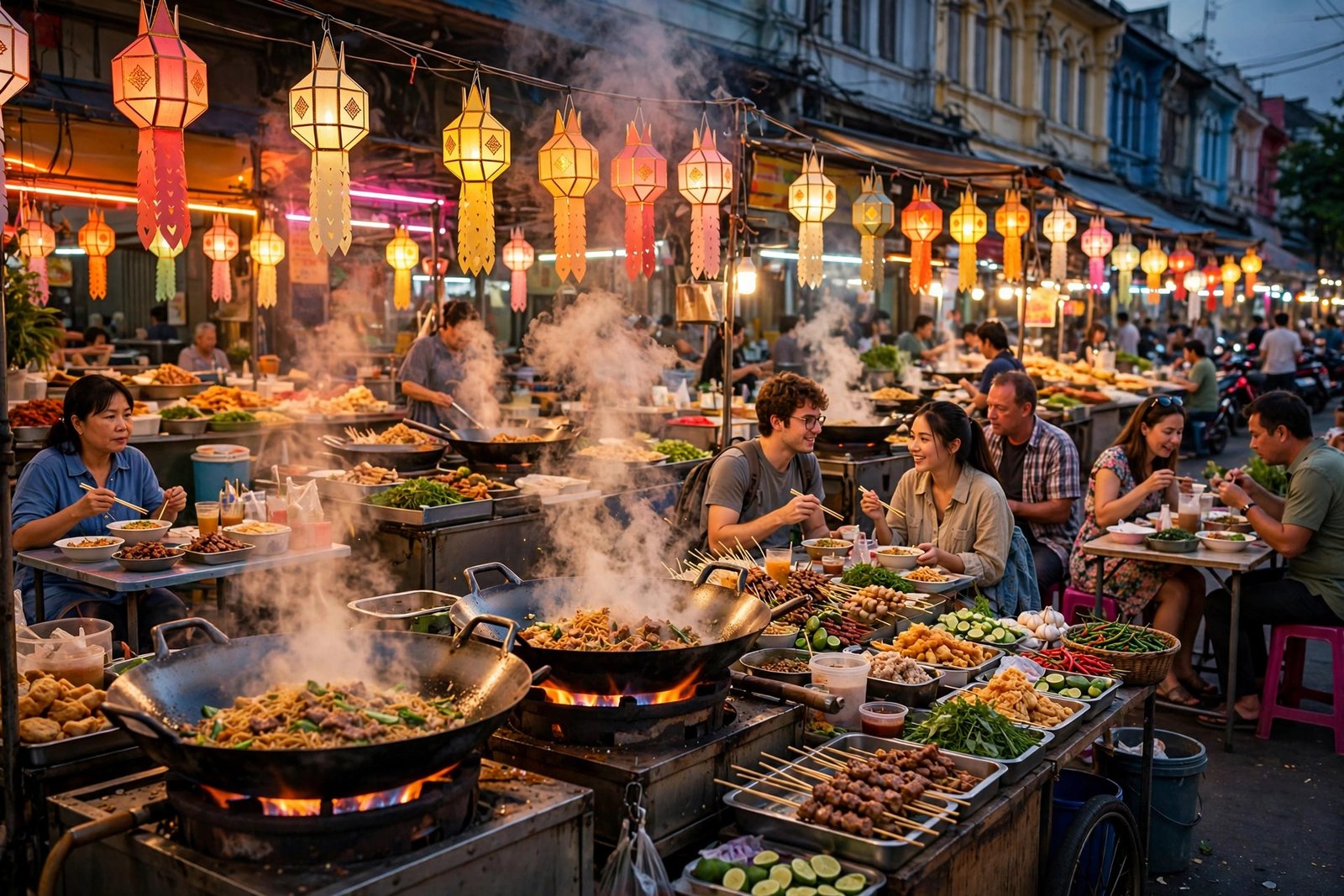
- The food is the attraction. A 40-baht bowl of khao soi or a 60-baht pad Thai from a market stall is not a compromise — it is the best meal you will eat all week. Eating where locals eat keeps food to around 400 baht ($12) a day.
- The range is unmatched. One trip can hold Bangkok’s temples, Chiang Mai’s mountains, and an Andaman island — no other budget destination packs that much variety into one visa-free stay.
- The infrastructure is easy. Sleeper trains, budget airlines, ferries, and the BTS/MRT in Bangkok mean you rarely need a tour or a taxi. Thailand is the easiest country in Asia to travel independently on a tight budget.
It is also one of the cheapest places to travel in Asia in 2027 — northern and central Thailand run about $30–50 a day on a budget, though the southern islands cost noticeably more, especially from December to February.
Best Places to Visit in Thailand
Bangkok: Temples, Markets, and the Best Street Food on Earth
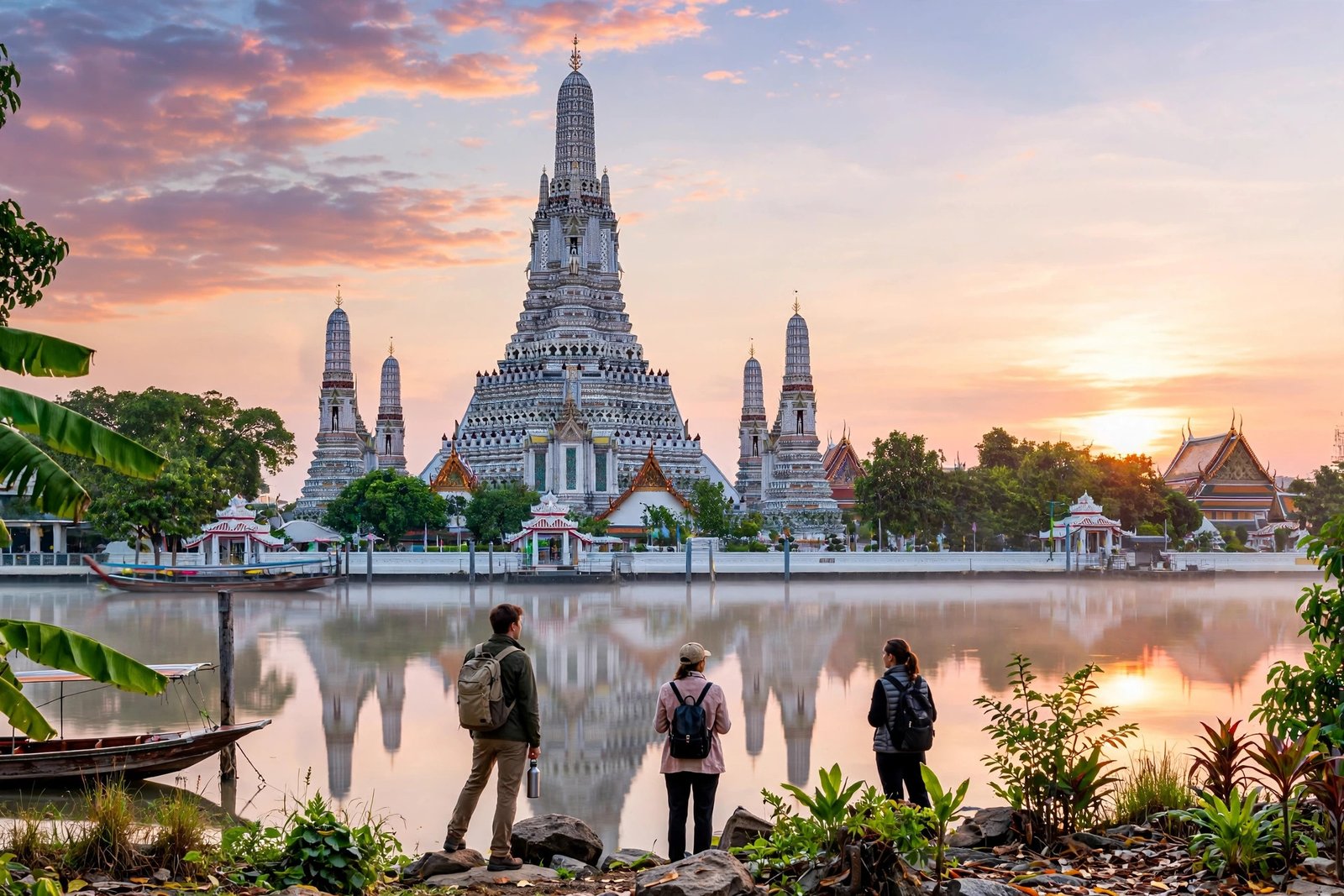
Give Bangkok at least three nights. The Grand Palace and Wat Pho anchor the old city — arrive at opening time (8:30 AM) to beat both the heat and the tour groups. Wat Arun, across the river, is at its best at sunrise or sunset. Between temples, ride the Chao Phraya express boats (15–50 baht), wander Chinatown’s Yaowarat Road after dark for satay and seafood, and spend an evening at a night market like Jodd Fairs. Bangkok is also the cheapest big city in the region for hotels, so it is the smartest place to start and end your trip.
Chiang Mai: Mountains, Temples, and Slow Mornings
Thailand’s northern capital is the budget traveler’s sweet spot — cooler air, cheaper rooms, and a walkable old city ringed by a moat. Climb the 300+ steps to Wat Phra That Doi Suthep for the view over the city, take a Thai cooking class (around 1,000–1,500 baht including market visit), and spend Sunday evening at the Tha Phae Gate walking street. From Chiang Mai, Pai is a 3-hour minibus ride into the mountains, and the overnight sleeper train back to Bangkok is one of Asia’s great budget journeys. Chiang Mai’s famous lantern festivals fall in November — Yi Peng and Loy Krathong light up the city, so book rooms early if you travel then.
Ayutthaya: A Day Trip Into Thailand’s Old Capital
An easy 1.5-hour train ride from Bangkok (20–65 baht), Ayutthaya is a UNESCO-listed ruined city of brick prangs and Buddha heads wrapped in tree roots. Rent a bicycle for around 50 baht a day and ride between the ruins — it is one of the most satisfying day trips in the country and costs almost nothing.
Krabi and Railay: Limestone Cliffs Without the Phuket Prices
Krabi’s Railay Beach is reachable only by longtail boat (100 baht from Ao Nang), which keeps it calm and car-free. Towering limestone karsts, hidden lagoons, and rock climbing for every level — and prices well below Phuket. Base yourself in Ao Nang for cheap rooms and easy boat access, and take a day trip to the Phi Phi Islands or the Emerald Pool and hot springs inland.
Koh Phi Phi and the Andaman Islands
Phi Phi is Thailand’s most photographed island for a reason: Maya Bay’s turquoise water, snorkeling straight off the beach, and sunset viewpoints that cost nothing but the climb. Go early in the morning to beat the day-trip boats, and stay overnight — the island changes completely once the last ferry leaves. Budget travelers should note the islands run 30–50% more expensive than the mainland for rooms and food, so keep island days short and mainland days long.
Koh Samui, Koh Phangan, and Koh Tao: The Gulf Islands
The Gulf coast is Thailand’s other island world — and its dry season runs opposite to the Andaman side, with the best weather roughly February to September. Koh Samui suits resort-style comfort, Koh Phangan hosts the famous Full Moon Party (check the lunar calendar — dates shift monthly), and tiny Koh Tao is the cheapest place in the world to get a scuba diving certification, with open-water courses from around 9,000–11,000 baht including accommodation deals.
How Much Does Thailand Cost in 2027? Real Daily Budgets
All figures use the October 2026 exchange rate of roughly 34 baht to the US dollar and 38 baht to the euro. Prices below exclude international flights.
Budget Traveler: 900–1,800 Baht ($26–53) Per Day
- Sleep: Hostel dorms 250–450 baht; simple private guesthouse rooms from 500–800 baht.
- Eat: Street food and markets around 400 baht a day — noodle soup 40–70 baht, pad Thai 60–100 baht, fruit shakes 30–50 baht.
- Move: Bangkok BTS/MRT 16–62 baht a ride; city buses 8–25 baht; songthaews (shared pickup trucks) 20–40 baht.
- Do: Temples 50–500 baht entry; beaches free; national parks 200–400 baht for foreigners.
A budget day: dorm bed (350 baht) + three street-food meals (400 baht) + transport (100 baht) + one temple or sight (200 baht) = ~1,050 baht ($31).
Mid-Range Traveler: 2,500–4,000 Baht ($74–118) Per Day
- Sleep: Comfortable 3-star hotel or boutique guesthouse 1,000–2,000 baht a night (double room — couples effectively halve this).
- Eat: Restaurant meals 150–400 baht; a nice seafood dinner on the islands 400–700 baht; a large Chang or Singha beer 80–140 baht.
- Move: Occasional Grab rides, a domestic flight or two, and island ferries.
- Do: A cooking class (1,000–1,500 baht), a snorkeling day trip (1,000–1,500 baht), or a Muay Thai class.
A 10-day trip covering Bangkok, Chiang Mai, and Phuket works out at roughly 24,400 baht ($650) per person on a budget or 42,600 baht ($1,130) mid-range, including two domestic flights — based on prices checked in October 2026 for January 2027 travel.
What Things Actually Cost (Quick Reference)
- Pad Thai from a street stall: 60–100 baht ($2–3)
- Mango sticky rice: 60–100 baht
- Large beer in a bar: 80–140 baht
- Thai massage (1 hour): 200–400 baht
- Grand Palace entry: ~500 baht; Wat Pho entry: ~300 baht
- Bangkok to Chiang Mai sleeper train: 800–1,500 baht (berth, depending on class)
- Bangkok to Phuket budget flight: 1,000–2,500 baht when booked ahead
- Longtail boat Ao Nang to Railay: 100 baht
- Tourist SIM with data: ~299 baht
How to Get to Thailand — and Around It
By Air
Bangkok’s Suvarnabhumi Airport is the main gateway, with Don Mueang handling most budget carriers (AirAsia, Nok Air, Thai Lion Air). From the UK, return flights start around £350–550 on one-stop Gulf routings, with Norse Atlantic’s direct Gatwick–Bangkok service dropping to £250–300 in sale periods. From the US West Coast, expect $700–1,100 return in low season; from Australia, $600–900. Book the Black Friday and Travel Tuesday sales (27 November–1 December 2026) for January–March 2027 departures — see our Black Friday travel deals guide for how to time it.
Trains, Buses, and Budget Flights Inside Thailand
Domestic flights are the budget traveler’s cheat code: Bangkok to Chiang Mai, Phuket, or Krabi routinely costs 1,000–2,500 baht when booked 4–6 weeks ahead. For the experience, take the overnight sleeper train Bangkok–Chiang Mai at least once — a berth costs less than a hotel night and you wake up in the mountains. Buses are the cheapest option of all: Bangkok to Chiang Mai runs 500–900 baht, and VIP night buses include reclining seats and snacks. On the islands, ferries connect the mainland to Koh Samui, Koh Phangan, Koh Tao, and Phi Phi for 250–700 baht.
Getting Around Cities
In Bangkok, the BTS Skytrain and MRT subway are cheap, air-conditioned, and fast — use them instead of taxis in traffic. For short hops, Grab (Southeast Asia’s Uber) gives fixed prices and beats haggling with tuk-tuk drivers, who routinely quote tourists double. Renting a scooter (150–300 baht a day) is tempting on the islands but is the single biggest cause of traveler injuries and insurance claims in Thailand — wear a helmet, get proper travel insurance, and never ride after drinking.
Best Time to Visit Thailand in 2027
- November–February: The dry, cool season — the best window for almost everywhere. Bangkok averages 26–31°C, the Andaman islands are calm and clear. This is also peak season, so book rooms 6–8 weeks ahead, especially over Christmas and New Year.
- March–May: Hot season, with temperatures hitting 35–40°C inland. Songkran, Thai New Year (13–15 April), turns the whole country into a water festival — the most fun and the most crowded week of the year. Hotel prices soften after Songkran.
- June–October: Rainy season — but rain usually means a sharp afternoon downpour, not all-day gloom. The Gulf islands (Samui, Phangan, Tao) are at their best now, while the Andaman side gets rougher seas. This is the cheapest time to visit, with rooms 30–50% below peak prices.
For the classic first trip — Bangkok, Chiang Mai, and one island group — aim for November, January, or February. November is the sweet spot: the rains have just ended, prices have not yet hit the Christmas peak, and the lantern festivals light up Chiang Mai.
The Perfect 10-Day Thailand Itinerary (Budget Version)
Days 1–3 — Bangkok. Arrive, recover, and explore the old city: Grand Palace and Wat Pho on day one, a Chinatown food walk on day two, and a longtail boat through the Thonburi canals plus a night market on day three. Stay near the river or a BTS station to keep transport cheap.
Day 4 — Ayutthaya day trip. Early train out, bicycle between the ruins, back in Bangkok for dinner. Cost for the day: under 500 baht including transport, bike rental, and temple entries.
Days 5–7 — Chiang Mai. Fly or take the overnight sleeper train north. Doi Suthep at sunrise, a cooking class, the old-city temples, and a day trip to an elephant sanctuary (choose an ethical, no-riding one — around 1,500–2,500 baht for a full day).
Days 8–10 — Krabi and Railay. Fly south to Krabi, boat to Railay for beach time and the viewpoint hike, and a longtail day trip to Phi Phi or the Hong Islands. Fly home from Phuket or back through Bangkok.
Total on-the-ground cost for this route: roughly 13,000–18,000 baht ($380–530) per person on a budget, plus domestic flights of 2,000–5,000 baht if you fly both legs. Compare that with island-only trips in the same season — a week in Bali runs a similar total, as our Bali on a budget guide shows, but Thailand’s mainland days are cheaper.
Practical Tips for Thailand
Money: The Baht
Thailand uses the baht (THB). ATMs charge a 220-baht fee per foreign-card withdrawal, so take out larger sums less often — or use a travel card that rebates fees. Cash is still king at markets, street stalls, and on songthaews; cards work at hotels, malls, and larger restaurants. Tipping is not expected, but rounding up a fare or leaving small change is appreciated.
Visa and Arrival Rules for 2027
Since 15 September 2026, US, UK, EU, Canadian, and Australian citizens get 30 days visa-free (down from 60). Everyone must also file the free Thailand Digital Arrival Card (TDAC) online within 72 hours before arrival — it takes five minutes. Need longer? A 30-day extension costs 1,900 baht at an immigration office. Your passport should be valid for at least 6 months beyond arrival. If you planned a slow overland loop through Cambodia, note that Thailand–Cambodia land crossings have been suspended since the 2025 border fighting — fly instead.
Scams and Safety
Thailand is generally very safe, including for solo travelers — it is one of the best solo travel destinations on a budget. The risks are small and predictable: gem-shop and jet-ski scams, tuk-tuk drivers offering “free” tours to suit shops, and the scooter problem above. Politely decline, use Grab, and keep your passport in the hotel safe (carry a photo on your phone). Tap water is not drinkable — bottled water is 7–20 baht everywhere.
When to Book for the Best Prices
The cheapest booking window for a January–March 2027 trip is right now. International fares are lowest 6–10 weeks out, domestic flights 4–6 weeks out, and the Black Friday/Travel Tuesday sales (27 November–1 December 2026) routinely cut long-haul fares to Bangkok by 20–30%. Hotel prices on the islands rise weekly from mid-November to Christmas, so lock in December rooms before the end of November. For more on timing trips to the deal season, see our 21 ways to travel cheaper in 2027.
Thailand Travel FAQs
Is Thailand cheap in 2027?
Yes — northern and central Thailand still run about $30–50 a day on a budget, and a 10-day trip can cost $650 per person on the ground excluding international flights. The islands cost more, especially December to February, but Thailand remains far cheaper than Europe or the Caribbean for the same quality of trip.
How many days do you need in Thailand?
Ten days covers Bangkok, Chiang Mai, and one island group comfortably. Two weeks lets you add Pai or a second island group without rushing. With only 5–7 days, pick Bangkok plus one other region — not both north and south.
Do I need a visa for Thailand in 2027?
US, UK, EU, Canadian, and Australian citizens can enter visa-free for 30 days. File the free Thailand Digital Arrival Card (TDAC) online before you fly, and extend by 30 days for 1,900 baht if you want to stay longer. Always check the current rules before booking, as policies changed as recently as September 2026.
What is the best month to visit Thailand?
November is the best all-round month: the rains have ended, temperatures are comfortable, prices have not yet peaked, and Chiang Mai’s lantern festivals light up the sky. January and February are the driest, while June to October is cheapest — especially on the Gulf islands.
Is Thailand safe for solo travelers?
Yes — Thailand is one of the most popular solo destinations in the world, with a huge hostel scene and well-trodden routes. Take the usual precautions: use Grab at night, wear a helmet on scooters, keep valuables in your room safe, and be cautious with jet-ski rentals (photograph any pre-existing damage).
Is Thailand cheaper than Bali?
Roughly comparable on the islands, but Thailand’s mainland is cheaper than Bali’s south. A budget day in Chiang Mai or Bangkok runs $26–40, while a similar day in south Bali runs $30–50. Thailand also wins on transport — its sleeper trains and budget flights make multi-stop trips cheaper. See our guide to places like Bali but cheaper for alternatives in both countries.
Final Thoughts: Book Thailand Now, Thank Yourself in January
Thailand in 2027 is in a rare sweet spot: the dry season is starting, the new 30-day visa rule is simple to navigate, the Black Friday fare sales are days away, and prices have not yet caught up with demand. A 10-day trip for $650 on the ground is still real — but the cheapest fares and rooms go first. Pick your dates, file your TDAC, and go. The 40-baht noodles are waiting.
Ready to plan? Compare Thailand with the rest of the region in our cheapest places in Asia guide, check the best-value months in our cheapest places to travel each month of 2027, and see where Thailand fits in the year with our 20 best places to travel in 2027. Happy travels!


