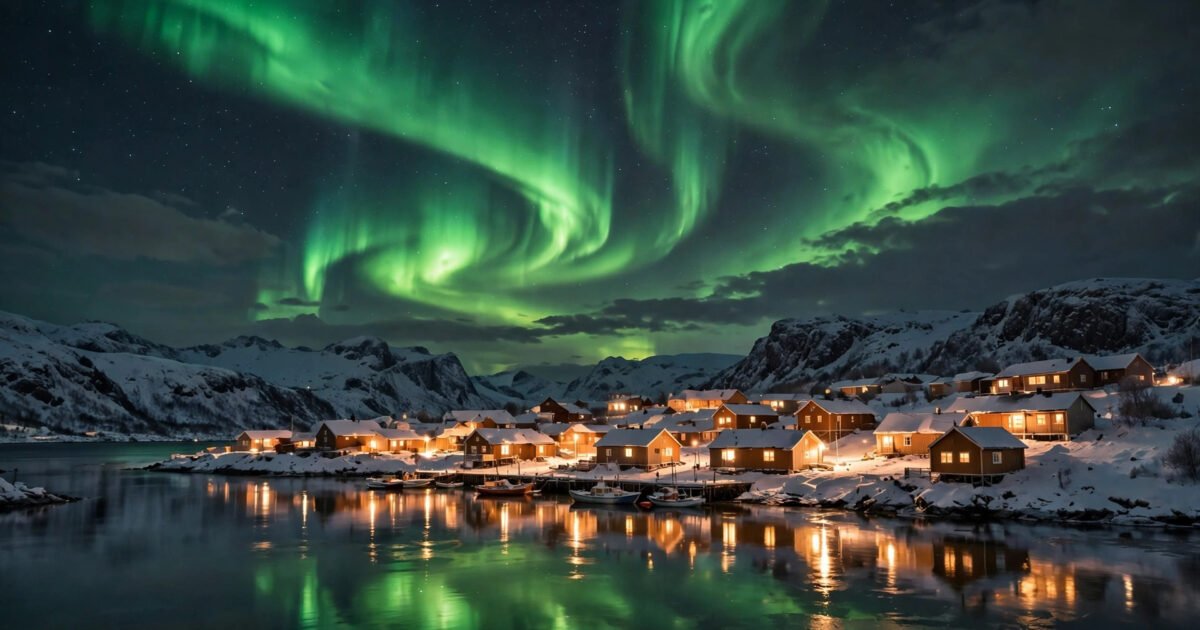
The sky is putting on its best show in a generation — and you do not need a $900-a-night glass igloo to see it. The current solar cycle peaked recently, and the two to three winters after a maximum historically produce the strongest aurora displays of the cycle. That makes the winter of 2026–27 one of the best northern lights seasons in years, with displays reaching further south than usual and odds that beat any winter in recent memory. The catch? The season is already running, and the best-value stays sell out first.
This guide is the budget version of the aurora dream: the 10 cheapest places to see the northern lights in 2027, with real daily costs, honest odds for each spot, and the exact tactics that turn a coin-flip night into a near-certainty. Every destination below sits under the auroral oval, and every one can be done for $100–250 a day — a fraction of the luxury packages that dominate the search results.
Northern Lights on a Budget 2027: How to Maximise Your Odds
Before the destinations, the three rules that matter more than where you go. First, stay at least three to four nights: a single night is a coin flip, but four nights in an active year approaches 85% success. Second, chase clear skies, not just activity — the aurora is invisible behind cloud, so the driest places win. Third, pick September–October or February–March over deep December: the skies are clearer, the prices are lower, and the nights are still long enough. The polar night runs from about 27 November 2026 to 15 January 2027 in Tromsø, giving maximum darkness — but it also brings the most cloud.
For the Iceland leg of an aurora trip, our Iceland winter itinerary covers a full 7-day route, and our Reykjavik on a budget guide shows how to do the capital without the capital’s prices. For the cheapest month to fly anywhere, see our cheapest places to travel each month of 2027.
1. Abisko, Sweden — $120–200 a Day (Best Odds in Europe)
Abisko is the connoisseur’s pick and the cheapest reliable aurora bet in Europe. This tiny village of about 85 people sits in a rain shadow created by Lake Torneträsk, with just 311 mm of precipitation a year — and measured data shows a clear hour on 52% of nights from September to March, peaking at 58% in November. Over three nights, your odds pass 90%. The Aurora Sky Station, reached by chairlift 900 metres up, runs from 19 October 2026 to 27 March 2027 and costs 1,070–1,295 SEK a night. The hostel starts at about $40 a bed, and the overnight train from Stockholm costs 60–120 each way — and turns the transfer into part of the adventure. Four nights for two, trains included: roughly $1,100–1,500. Best months: November–February.
2. Tromsø, Norway — $150–250 a Day (Best All-Round Destination)
Tromsø is the most reliable northern lights city on Earth. It sits at 69°N, well inside the auroral zone, and the warm Gulf Stream keeps winter temperatures around −4°C — mild for the Arctic. Budget carriers fly from London and the continent for $100–250 return on the right days, and guesthouses run $80–130 a night against $300-plus for the resorts. The one splurge worth paying for is a mobile chase tour ($90–150), whose guides drive hours to find holes in the coastal cloud — one chase night plus two or three self-watched nights from the free dark shores a 20-minute walk from downtown is the optimal mix. Four nights for two, flights included: $1,300–1,700. Best months: September–March, with the polar night from 27 November 2026 to 15 January 2027. Whale watching runs November–January if you want a daytime bonus.
3. Fairbanks, Alaska, USA — $110–200 a Day (Best for Americans)
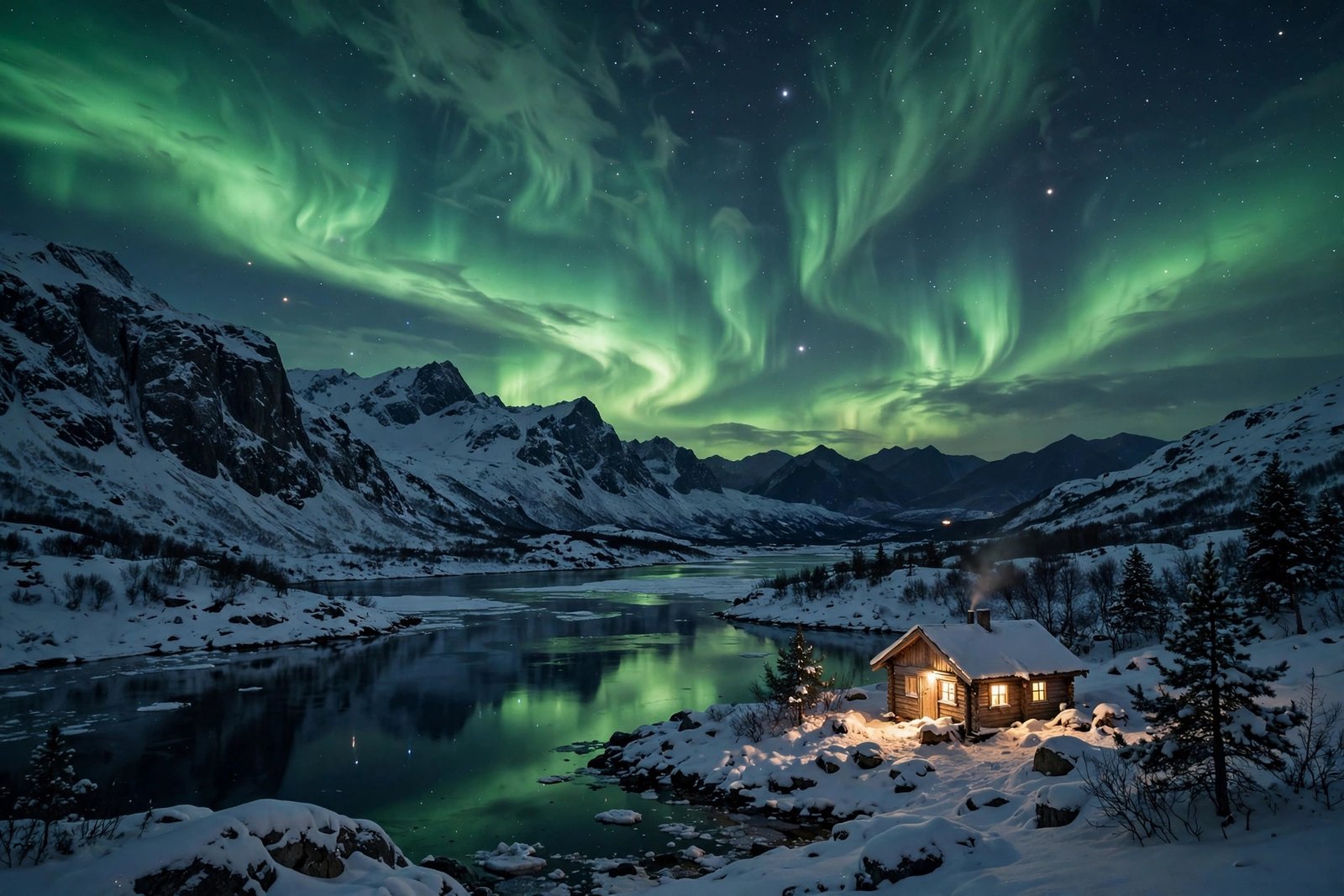
Fairbanks is the North American answer to Tromsø — and the cheapest aurora trip for US travellers, with no international flight at all. This interior Alaskan city has a stable, cold climate with clear-sky statistics rivalling Lapland: clear skies on 45% of February nights and 49% of March nights. Motels and guesthouses cost $80–130 a night, and drive-to dark spots like Cleary Summit and Murphy Dome are minutes from town. A day pass at Chena Hot Springs costs $20 — soak under the lights if you time it right. Best months: February–March, when the skies are clearest and the cold is manageable. For Americans, this is the lowest-friction aurora trip that exists.
4. Rovaniemi & Finnish Lapland — $140–250 a Day (Best for Families)
Finnish Lapland combines aurora hunting with the most complete Arctic winter experience: glass igloos, reindeer sleigh rides, husky safaris and Santa Claus Village. Rovaniemi is the gateway, but heading further north to Inari or Muonio increases your odds — Rovaniemi itself sits below the oval and is modelled 83–84% overcast in December and January, so treat the aurora as a bonus there, not a guarantee. Guesthouses in Rovaniemi run $70–120 a night; the glass igloos cost $300–600 a night and sell out months ahead, so book the guesthouse and spend the savings on a chase tour instead. Best months: September–March, with February–March the clearest. If you are travelling with kids, this is the pick — and our December escapes guide has warm-weather alternatives if the Arctic feels too ambitious for little ones.
5. Kiruna, Sweden — $120–200 a Day (Best for a Multi-Country Trip)
Kiruna is Swedish Lapland’s mining town and the perfect partner to Abisko, just 90 minutes away by train. It sits under the same clear-sky corridor, with guesthouses from $70 a night, and it is the gateway to the world-famous Icehotel — worth a visit even if you sleep in a normal bed. The town itself is being physically moved building by building as the mine expands, which makes it one of the strangest places in the Arctic to walk around. Combine Kiruna, Abisko and Tromsø on one rail-and-bus loop for three weather systems in a single trip — the single best way to guarantee a clear night. Best months: November–March.
6. Lofoten Islands, Norway — $130–220 a Day (Best Scenery)
If you want the aurora and the photograph, Lofoten is the pick. Jagged peaks rising straight from the sea, red rorbu fishermen’s cabins, and beaches that look tropical until you notice the snow. Rorbu cabins cost $150–250 a night, but guesthouses and hostels run $70–120, and the islands are connected by bridges and tunnels, so a rental car replaces expensive tours. Aurora probability over three nights is around 75%, and the scenery alone justifies the trip even on a cloudy night. Best months: September–March. Fly into Bodø or Evenes, then drive — the road itself is one of Europe’s great journeys.
7. Senja, Norway — $100–180 a Day (Best Budget Norway)
Senja is Norway’s second-largest island and its best-kept aurora secret: the same mountains-and-fjords drama as Lofoten, noticeably cheaper, and far fewer crowds. Guesthouses cost $70–110 a night, the island is an easy ferry or bridge hop from Tromsø, and the dark skies are superb — aurora probability over three nights is around 75%. Hike the Segla ridge by day (one of Norway’s most photographed viewpoints) and watch the sky by night. Best months: September–March. If Tromsø’s prices scare you, Senja is how to do Norway on a budget — and it pairs with our cheapest ski resorts in Europe for a combined winter trip.
8. Reykjavik & South Iceland — $140–250 a Day (Best First Trip)
Iceland is the easiest first aurora trip, and its winter discount does double duty: fares and rooms run 30–50% under summer prices, exactly when aurora season runs. The self-drive model rules here — a rental car or winterised campervan, guesthouses at $90–140 a night, and free dark-sky spots along the south coast. For the car-averse, aurora bus hunts from Reykjavik cost $60–90 with reschedule-until-you-see-it policies. Skip the Blue Lagoon’s $100-plus entry and use a local town pool for about $10 instead. Our Iceland winter itinerary maps the full 7-day route, and our Reykjavik budget guide covers the capital’s free and cheap side. Best months: September–March. Iceland is the dearest destination on this list — but also the most forgiving for a first-timer.
9. Yellowknife, Canada — $130–220 a Day (Best for Canadians)
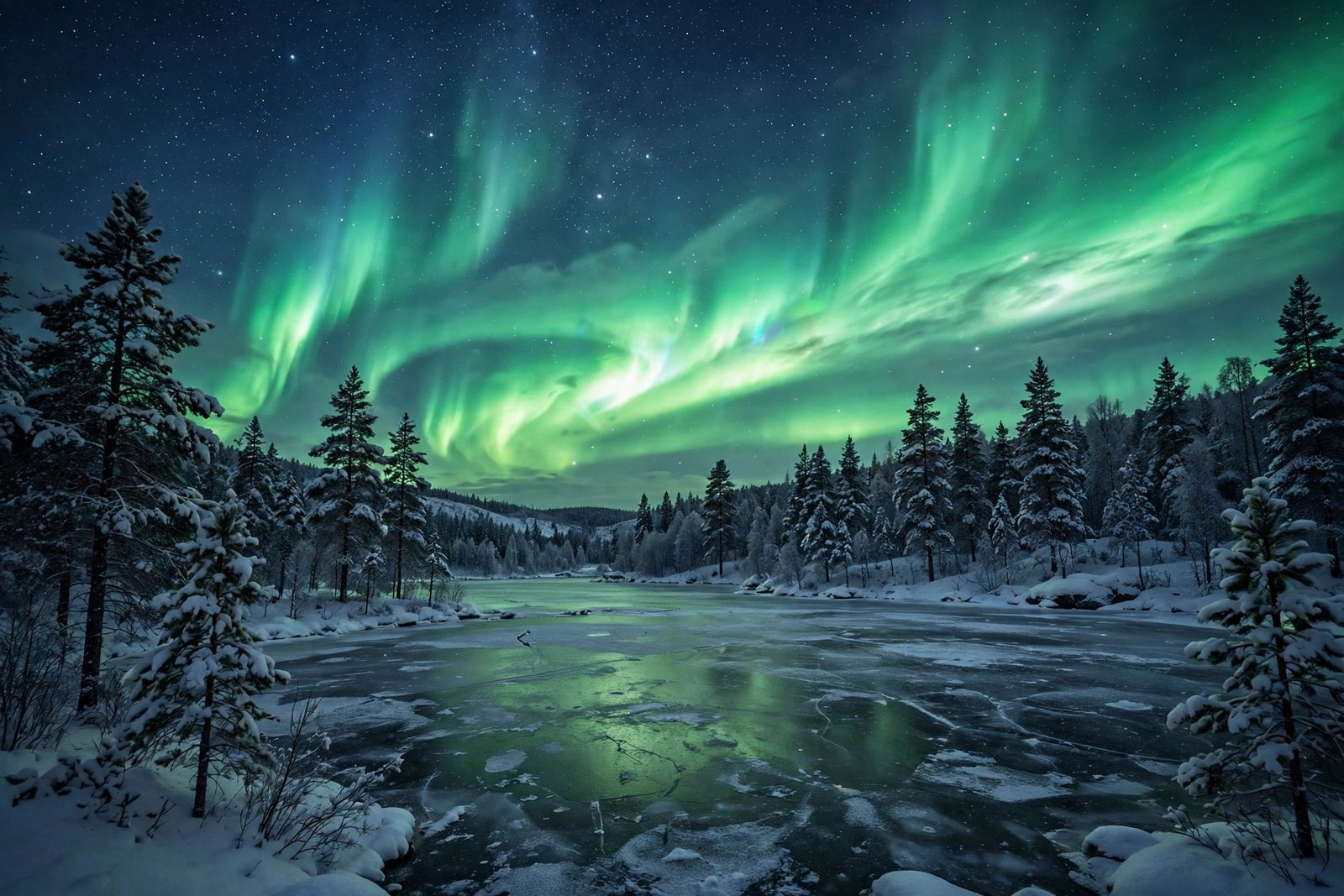
Yellowknife sits directly under the auroral oval in Canada’s Northwest Territories, with some of the most reliable displays in North America and a flat, open landscape that makes the lights visible from almost anywhere outside town. Guesthouses and motels cost CAD 100–160 a night, and the city’s aurora-viewing tours run CAD 90–150. The viewing season runs mid-August to mid-April, and the long, dark, dry winter nights of January–March give the best odds. Fly from Vancouver, Edmonton or Calgary — and if you are already planning a Canada trip, our best places to travel in January 2027 has more cold-weather ideas. Best months: January–March.
10. Scottish Highlands, UK — $110–200 a Day (Cheapest & Easiest)
The cheapest aurora trip of all is the one with no flight to the Arctic: the Scottish Highlands. On strong solar nights — and this solar cycle is delivering plenty — the lights appear over the Cairngorms, the Isle of Skye and the far north coast. The odds are lower (around 30% over three nights) and the displays are usually fainter than in Tromsø, but the cost is a fraction of the alternatives: a train from London or Edinburgh, hostels from £25 a night, and no visa, no winter tyres, no Arctic clothing bill. Watch the space-weather forecasts, pick a moonless weekend with a high Kp index, and head for the darkest sky you can reach. Best months: September–March, with the strongest displays around the equinoxes. For UK travellers, it is the zero-commitment way to try aurora hunting before committing to a Lapland trip.
Northern Lights Budget Comparison (2027)
| Destination | Daily budget | Aurora odds (3 nights) | Best for |
|---|---|---|---|
| Abisko, Sweden | $120–200 | 90%+ | Clearest skies in Europe |
| Tromsø, Norway | $150–250 | 85%+ | Best all-round trip |
| Fairbanks, Alaska | $110–200 | 80%+ | Cheapest for Americans |
| Rovaniemi, Finland | $140–250 | 70%+ | Families, glass igloos |
| Kiruna, Sweden | $120–200 | 85%+ | Multi-country loop |
| Lofoten, Norway | $130–220 | 75% | Scenery and photos |
| Senja, Norway | $100–180 | 75% | Budget Norway |
| Reykjavik, Iceland | $140–250 | 70%+ | Best first trip |
| Yellowknife, Canada | $130–220 | 85%+ | Best for Canadians |
| Scottish Highlands | $110–200 | 30% | Cheapest, easiest |
How to See the Northern Lights Cheaply: 7 Money-Saving Rules
1. Stay 4 nights, not 1. A single night is a coin flip; four nights in an active year approaches 85% success. The extra nights cost less than a second trip.
2. Go in February or March, not December. The skies are clearer, the prices are lower, and the nights are still long. December is the cloudiest month across the Arctic.
3. Book one chase tour, not three. One guided chase night ($90–150) plus free self-watched nights from dark spots near town beats three expensive tours. Guides drive to clear skies; you watch from the shore for free.
4. Self-cater. Arctic restaurants are brutally expensive. A guesthouse with a kitchen and a supermarket shop cuts food costs by half — in Norway, that can save $40–60 a day.
5. Skip the glass igloo. At $300–900 a night, it costs more than your whole trip’s accommodation budget. A $70 guesthouse under the same sky sees the same aurora.
6. Fly midweek, stay midweek. Tuesday and Wednesday flights to Tromsø, Reykjavik and Fairbanks are routinely 20–30% cheaper than weekend flights, and guesthouses discount midweek nights too.
7. Watch the Black Friday sales. Arctic flights and tours go on sale in the same window as everything else — our Black Friday travel deals 2026 guide explains how to stack the discounts, and our 21 ways to travel cheaper in 2027 covers the rest of the playbook.
Northern Lights on a Budget FAQs
What is the cheapest place to see the northern lights?
For most travellers, Abisko in Sweden — hostels from $40 a bed, the clearest skies in Europe, and 90%+ odds over three nights. For UK travellers, the Scottish Highlands cost the least overall. For Americans, Fairbanks, Alaska, with no international flight.
When is the best time to see the northern lights in 2027?
The aurora season runs September to March. February–March 2027 offers the best combination of clear skies, long nights and lower prices, and the winter of 2026–27 sits just past the solar maximum, so activity is stronger than normal. The polar night (27 November 2026–15 January 2027 in Tromsø) gives maximum darkness but also the most cloud.
How many nights do I need to see the northern lights?
Plan for at least three to four nights. One night is a coin flip; four nights in an active year approaches 85% success. The single biggest mistake first-timers make is booking a one-night aurora tour.
Can you see the northern lights without a tour?
Yes — and it is usually better. Walk 20 minutes from downtown Tromsø to a dark shore, drive to a dark spot outside Fairbanks, or step outside your Abisko hostel. Tours are worth it for one night, when guides drive hours to find clear sky, but free self-watching works on most nights.
Is Iceland or Norway better for the northern lights on a budget?
Norway wins on odds and cost: Tromsø and Abisko have clearer skies and cheaper stays than Iceland. Iceland wins on ease — it is the simplest first trip, with winter discounts of 30–50% and bus tours that reschedule until you see the lights. If you can only pick one, pick Tromsø or Abisko; if you want the easiest trip, pick Iceland.
Do I need special camera gear to photograph the aurora?
No. A modern phone on night mode captures a decent aurora on a strong night. A tripod (or a rock and a timer) matters more than the camera: long exposures of 5–15 seconds are what make the lights glow in photos. Keep batteries warm in an inside pocket — cold drains them fast.
Final Thoughts: The Sky Is Free — the Igloo Is Not
The aurora hangs over the $900 glass igloo and the $80 guesthouse with perfect indifference. What decides whether you see it is not what you paid for the bed — it is how many nights you stay, how clear the sky is, and whether you are outside looking up when the lights come out. The winter of 2026–27 is one of the best in years, and the places in this guide are where the odds are highest and the prices are lowest. Pick one, book four nights, and go. The sky will do the rest.
Ready to plan? Start with our Iceland winter itinerary if you want a ready-made 7-day route, check the best places to travel in January 2027 for more winter-sun alternatives, and browse our cheapest winter sun destinations 2027 if you want to pair the aurora with a warm escape. Happy travels!