Reykjavik on a Budget 2027: Costs, Free Things & Winter Tips
Reykjavik has a reputation as one of the most expensive capitals in Europe — and honestly, it earns it. A beer can cost more than a meal back home. But Reykjavik on a budget 2027 is absolutely doable, if you know where the money leaks are and how to plug them. This guide covers real costs, free sights, cheap eats, budget stays, and a 3-day winter itinerary.
Reykjavik on a Budget 2027: How Much Does It Really Cost?
Let’s be blunt: Reykjavik is not cheap. What smart planning does is keep a trip that could cost $400 a day down to something a normal traveler can afford — so know the numbers before you land.
Based on crowdsourced traveler data from BudgetYourTrip, a budget traveler spends around $120 per day in Reykjavik, while a mid-range traveler spends roughly $310 per day. The gap is almost entirely accommodation and restaurants — cook some meals, sleep in a guesthouse, and you slide toward the lower number. The exchange rate: roughly 130 Icelandic króna (ISK) = $1 USD.
Budget Traveler: ~$120 Per Day
- Sleep: Hostel dorm bed $45–65 per night; a basic guesthouse room $80–100 in winter.
- Eat: Supermarket food $10–15 a day; a bakery lunch or hot dog $8–12; one cheap sit-down meal $25–35.
- Move: Walk everywhere in the centre; a Strætó city bus ride is 690 ISK (about $5.30) when you need one.
- Do: Free sights, a geothermal pool swim for ISK 1,000–1,500 ($8–12), and a tip-based walking tour.
A realistic budget day: dorm bed ($55) + supermarket food ($15) + bakery lunch ($10) + pool entry ($10) + two bus rides ($11) + a hot dog dinner ($8) = ~$109. Tight, but real — and winter prices push it lower.
Mid-Range Traveler: ~$310 Per Day
- Sleep: A basic hotel room from around $150 per night in summer, noticeably cheaper in winter; a private guesthouse room or apartment $120–180.
- Eat: Sit-down lunch $25–35, a proper restaurant dinner $50–70 with a drink, coffee $5–6.
- Move: A rental car for day trips ($80–120 per day in winter, more in summer), or a group Golden Circle tour from around $90.
- Do: One paid attraction a day — a museum, a lagoon, or a northern lights tour ($70–120).
What Things Actually Cost (Quick Reference)
- A beer in a bar: ISK 1,500–1,800 ($11–13)
- Strætó city bus, single ride: 690 ISK (about $5.30)
- Geothermal public pool entry: ISK 1,000–1,500 ($8–12)
- Sit-down lunch: $25–35
- Basic hotel room: from ~$150/night in summer, cheaper in winter
- Icelandic hot dog (pylsa) with everything: around $5
Best Free Things to Do in Reykjavik
Reykjavik’s best experiences are mostly outdoors, and outdoors is mostly free. Start at the Sun Voyager sculpture on the waterfront — a steel ship skeleton facing the sea and the mountains, best at sunset when the light turns the bay gold. From there, walk the harbour path past the old fishing boats to Harpa Concert Hall, whose glass facade catches the light differently every hour. Entry to the atrium is free.
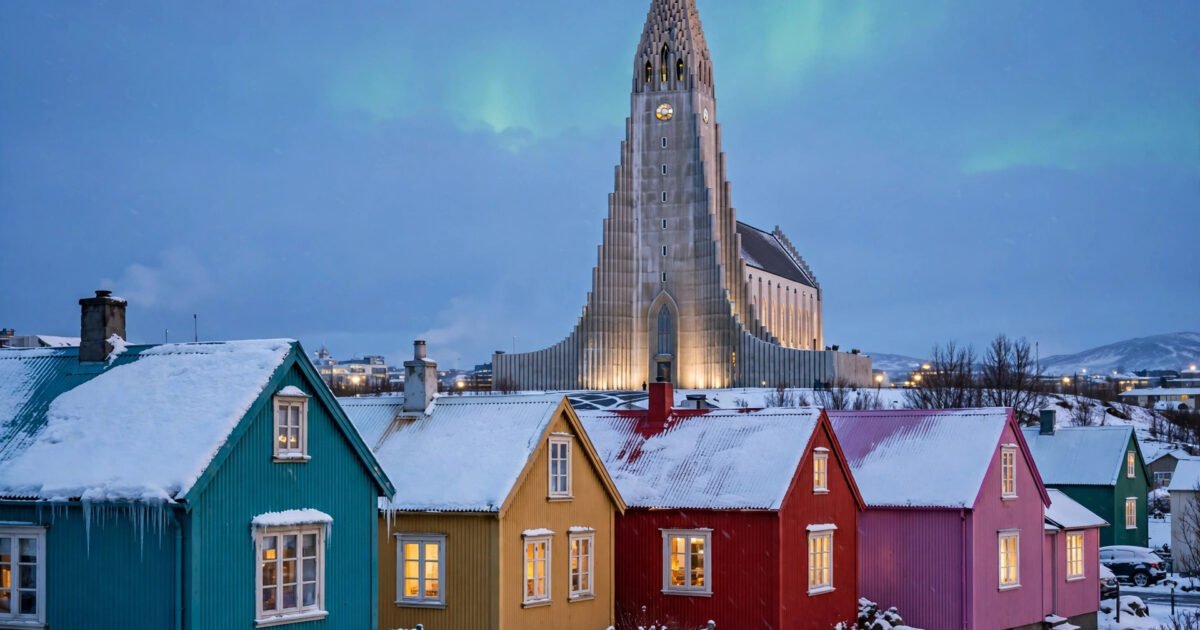
Hallgrímskirkja, the towering concrete church that dominates the skyline, is free to enter — only the tower lift costs money. It sits atop Skólavörðustígur, the rainbow street. Murals cover walls all over town — a self-guided wander is a great free afternoon.
Join a free tip-based walking tour on your first morning. For the price of a tip, local guides share the stories behind the colourful houses, parliament, and the city’s Viking roots. Afterward, window-shop Laugavegur — wool sweaters are beautiful and wildly expensive, but browsing is free.
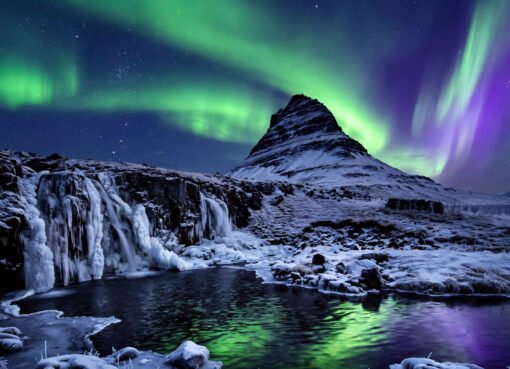
On clear nights between September and April, you don’t even need a tour to see the northern lights. Walk 20 minutes toward the Grótta lighthouse or the old harbour’s quiet edge, and on a strong night the aurora dances over the city. Check the aurora forecast first — a clear sky matters most. Our 7-day Iceland winter itinerary builds a full aurora-hunting week around Reykjavik.
Cheap Eats in Reykjavik: How to Eat Well for Less
Food is where most Reykjavik budgets die, so this is where the savings live. Head to a supermarket first: Bonus (look for the pink pig logo) and Krónan are the cheapest chains. Two days of supermarket food costs less than one restaurant lunch. With a kitchen — most guesthouses and apartments have one — you can eat well for $15–20 a day.
Bakeries are the budget traveler’s best friend in Iceland. A warm cinnamon roll, a kleinur (twisted doughnut), or a sandwich costs $4–8. For lunch, the famous Icelandic hot dog — the pylsa — is a rite of passage: a lamb-based hot dog with crispy onions, raw onions, ketchup, sweet mustard, and remoulade, for around $5 at Bæjarins Beztu Pylsur, a Reykjavik institution since 1937. One is a snack; two is a meal.
Eat your main meal at lunch, when set menus are cheaper, and save evenings for supermarket food. And never skip happy hour: most downtown bars run one between roughly 4 and 7 pm, with beer dropping to ISK 800–1,000. Iceland is pricier than the cheapest winter sun destinations 2027, but the experience is incomparable.
Where to Stay on a Budget in Reykjavik
Accommodation is the biggest line in any Reykjavik budget: book early, travel in winter, and stay just outside the centre. A basic hotel room starts around $150 a night in summer, but winter rates can drop by a third. Hostel dorms ($45–65) are the cheapest beds in town — clean, warm, and social. For couples, a guesthouse room often beats a hotel on price and includes a kitchen and local tips.
Apartments booked well ahead are the smartest option for stays of three nights or more: a kitchen saves $30–40 a day on food, and a washing machine means packing light. The 101 postcode is the walkable centre; 105 and 107 are a 20-minute walk away and noticeably cheaper. Book early — prices climb steeply as dates fill. Solo travelers: see our best solo travel destinations on a budget 2027.
Getting Around Reykjavik (and Beyond)
Downtown Reykjavik is small and walkable: Hallgrímskirkja to the harbour is about 15 minutes on foot. The Strætó bus network covers the capital area — buy tickets in the app for 690 ISK per ride. Day passes pay off at three or more rides. Taxis are expensive — save them for airport transfers.
For day trips, you have two choices. A rental car gives you freedom and a split cost, but winter driving is serious: icy roads, sudden wind gusts, and passes that close without warning. Only rent in winter if you’re a confident driver. The alternative is a group tour: Golden Circle, South Coast, and northern lights tours run daily, cost $70–120 per person, and let someone else drive. For a first winter visit, a tour is safer and often cheaper for solo travelers.
Best Time to Visit Reykjavik in 2027
There is no single best month — it depends what you want.
- June–August: Midnight sun, the warmest weather (10–15°C), and every road and attraction open. It’s also peak season: priciest hotels, biggest crowds, no northern lights.
- September–March: Northern lights season. Dark nights return, prices fall, and the city feels local again.
- Cheapest months: January, February, September, and October offer the lowest hotel and flight prices of the year. January and February are also the best months for aurora hunting, with the longest dark nights.
- December–January daylight: Just 4–5 hours of daylight — sun up after 11 am, down before 4 pm — but the blue twilight is beautiful and the lights easier to catch.
For the full Iceland magic on a budget, aim for late September, October, or February: low prices, real darkness, and enough daylight. January is the cheapest month of all — see the best places to travel in January 2027 and the best places to travel in February 2027 for context, or the cheapest ski resorts in Europe 2027 for a different winter trip.

3-Day Winter Itinerary for Reykjavik on a Budget
Day 1 — City and pools. Morning: free walking tour and Hallgrímskirkja. Lunch: bakery sandwiches. Afternoon: Harpa and the Sun Voyager along the harbour walk, then a swim at Laugardalslaug, the city’s biggest pool (around ISK 1,000–1,500). Evening: happy hour, then a hot dog dinner and an aurora check at the harbour edge if the sky is clear.
Day 2 — Golden Circle self-drive (or tour). Þingvellir National Park, where two tectonic plates pull apart; Geysir, where Strokkur erupts every few minutes; and Gullfoss, a waterfall that half-freezes in winter. Go early by car or take a group tour, back by dinner. Pack supermarket sandwiches — few cheap places to eat on the route. Budget roughly $90–130 per person.
Day 3 — South Coast or Snæfellsnes, then a northern lights hunt. The South Coast packs in Seljalandsfoss and Skógafoss waterfalls, Reynisfjara’s black sand beach, and Vík village. Snæfellsnes is quieter and wilder, and works better as a self-drive. End with a northern lights hunt: a guided tour to the darkest skies, or drive to a clear spot and wait. Ask about a free re-book if the lights don’t show.
Practical Tips for Reykjavik in Winter
Dress for Wind, Not Just Cold
Icelandic winter temperatures hover around 0°C, which sounds mild — until the wind hits. A windproof shell matters more than a heavy coat: layers, a waterproof outer jacket, thermals, and sturdy waterproof boots beat a bulky coat that lets wind through. Bring a hat, gloves, and a buff.
Book the Lagoons Weeks Ahead
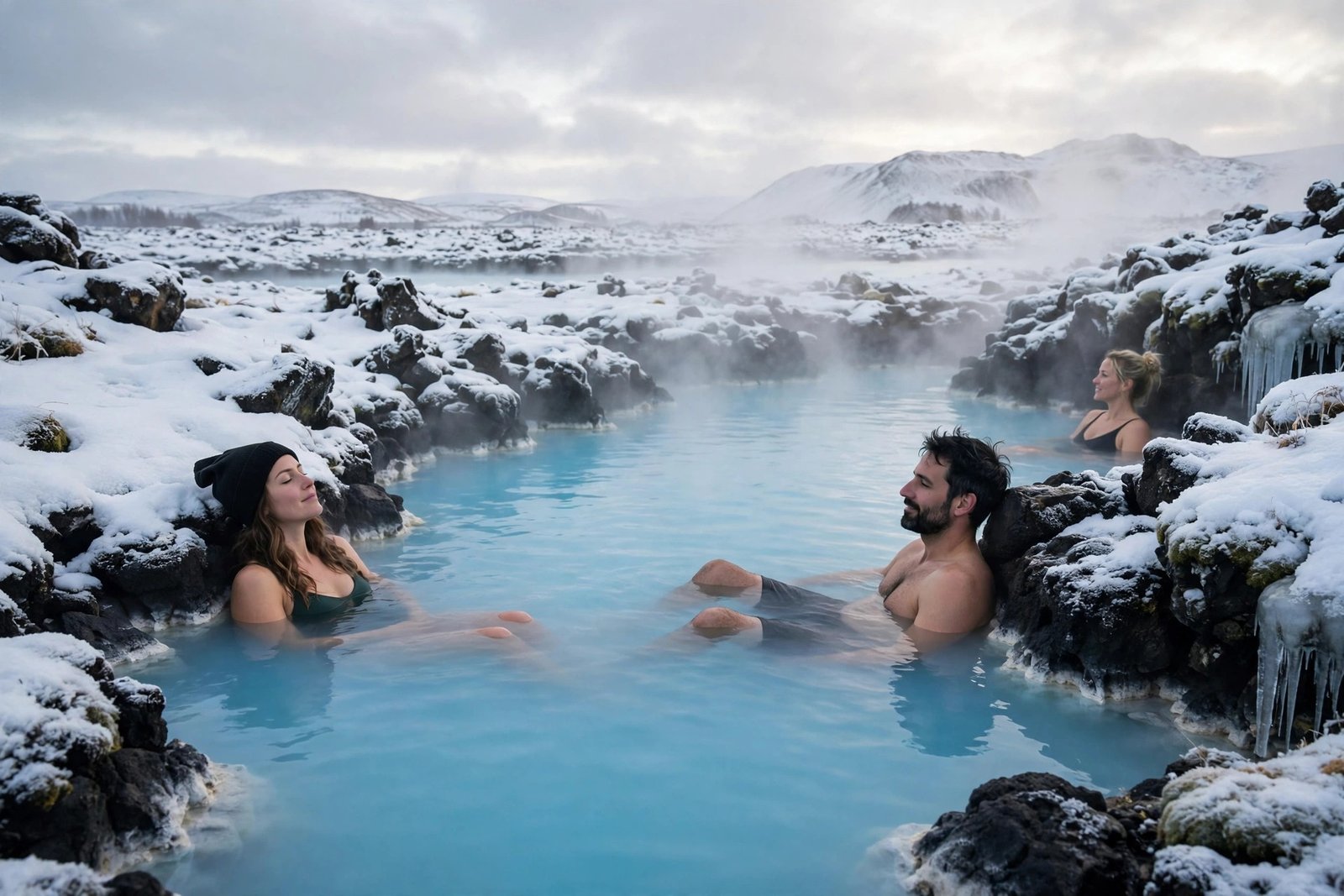
The Blue Lagoon and Sky Lagoon are the big-ticket splurges most visitors want — book weeks ahead, especially for winter weekends. The Blue Lagoon sits near the airport; Sky Lagoon, closer to town, has an ocean-edge infinity pool. Neither is cheap (expect $70–100+), so treat one as your single splurge and use the $10 public pools the rest of the week.
Water, Weather, and Roads
Tap water in Iceland is excellent — some of the purest in the world — so never pay for bottled water. Weather changes fast — sun, rain, snow, and wind can arrive within an hour — so check the forecast each morning and carry your shell. If driving, check road conditions before every trip and never drive into a storm warning. Ask a local if unsure — Icelanders are famously helpful. See our cheapest cities in Europe 2027 ranking — or, if the numbers feel steep, our dream budget vacations under $1,000 in 2027.
Reykjavik on a Budget FAQs
Is Reykjavik expensive in 2027?
Yes — one of Europe’s priciest capitals: around $120 per day budget, $310 mid-range. Supermarket meals, a guesthouse or hostel, free sights, and public pools keep a 3-day trip very manageable.
How many days do you need in Reykjavik?
Three days is the sweet spot: one day for the city and pools, one for the Golden Circle, and one for the South Coast or Snæfellsnes plus a northern lights hunt. A fourth day adds a lagoon or second day trip.
Can you see the northern lights from Reykjavik itself?
Yes, on a clear, dark night — walk to Grótta lighthouse or the old harbour’s quiet edge. Odds are much better outside the city, where skies are darker and guides chase clear weather.
Is Reykjavik walkable in winter?
Very — footpaths are cleared of snow and most sights are within a 15-minute walk. Waterproof boots with grip matter most — icy pavements are the real hazard, not distance.
Do you need a car in Reykjavik?
Not in the city — walking and the Strætó bus cover everything. A car only helps for day trips. In winter, first-timers are often better off with group tours: no icy driving, and often cheaper for solo travelers.
What is the cheapest month to visit Reykjavik?
January, followed by February, September, and October. January brings the lowest hotel and flight prices and the longest dark nights — at the cost of 4–5 hours of daylight.
Final Thoughts: Reykjavik Is Expensive — But Worth Every Króna
Reykjavik will never be a $30-a-day destination. But it is a city where the best things — the light on the harbour, the steam rising from a geothermal pool, the aurora rippling over the rooftops — cost little or nothing. Spend on the bed and the supermarket, save on the sights, book the lagoon once. That’s how you do Reykjavik on a budget 2027 — and honestly, it’s also how you do it best.
Ready to plan your trip? Start with our guide to the cheap places to travel in Europe on a budget to see how Iceland compares. Pack your windproof shell, book early, and go chase the lights. Happy travels!