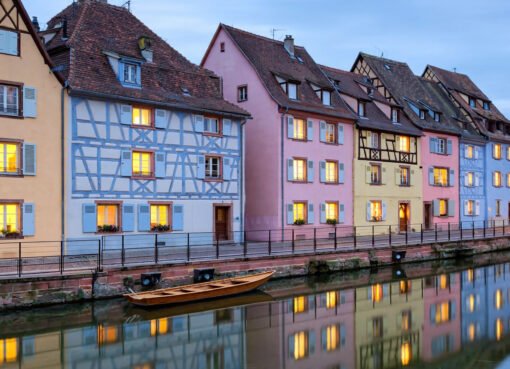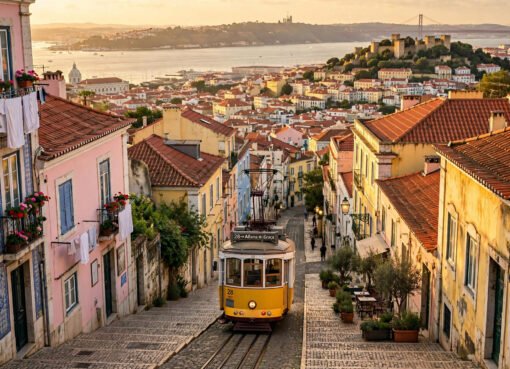
Picture this: a yellow tram rattling past blue-tiled houses as the sun drops over Lisbon, a €1.20 pastel de nata still warm from the bakery in your hand, and a riverside in Porto waiting at the end of a train ride that cost less than lunch. That is Portugal on a budget 2027 — Western Europe’s best-value country. This guide covers the best places, real daily budgets, what things actually cost, how to get around, the best time to visit, and a complete 10-day itinerary.
Why Portugal in 2027
Portugal has become the sweet spot of European travel: the food, weather and old-town charm of its more expensive neighbours, without their prices. A budget traveller can get by on €55–75 a day, and even a comfortable mid-range trip stays well below what the same week would cost in France, Italy or Spain. Lisbon and Porto both rank among the cheapest cities in Europe for 2027, and the country is compact enough to see properly in ten days.
What makes 2027 a good year to go? The value is still real — food, transport and accommodation remain noticeably cheaper than in Western Europe, especially outside August. Trains link Lisbon, Porto, Sintra, Coimbra, Évora and Faro affordably, so you can see the whole country without a car.
All prices are approximate 2026/2027 estimates based on research in November 2026 — check current prices before you book.
Best Places to Visit in Portugal
Lisbon: The Hilltop Capital
Lisbon is one of Europe’s most likeable capitals: seven hills, tiled facades, and miradouros (viewpoints) at the end of almost every climb. Start in Alfama, where the Sé de Lisboa cathedral costs €7 and the castle-hill views are free. Ride Tram 28 through Graça and the Baixa, and watch the sunset from a miradouro. Our full Lisbon on a budget 2027 guide covers the neighbourhoods, free viewpoints and cheapest eats in depth.
Porto: Riverside Charm and Port Wine
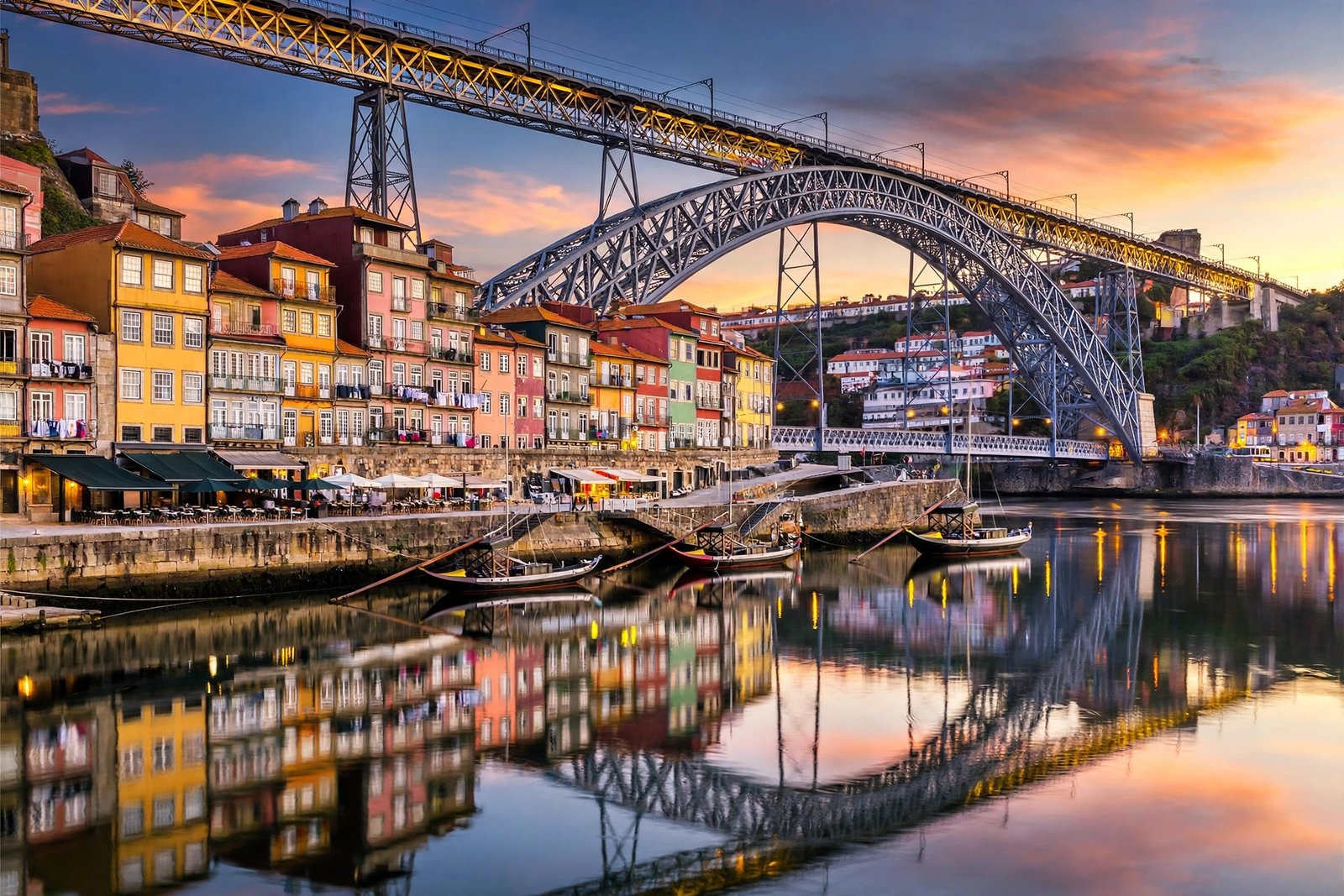
Porto is smaller, moodier and — many travellers say — even more charming than Lisbon. The Ribeira waterfront, with its colourful houses under the iron arch of the Dom Luís I Bridge, is one of Europe’s finest city views, and it costs nothing. Climb the Clérigos Tower (€10) for the panorama, cross the bridge on foot to Vila Nova de Gaia for the port wine lodges, and eat in the backstreets, where prices drop sharply. Porto is also the cheaper of the two big cities: dorm beds run €20–25 in February, and hostels cost €25–35 a night in shoulder season.
Sintra: Fairy-Tale Palaces in the Hills
Half an hour by train from Lisbon, Sintra feels like a different world: misty forested hills and romantic palaces. The star is Pena Palace, red and yellow towers on a hilltop, with entry in the €12–20 range alongside the Jerónimos Monastery in Lisbon. Come early — the palaces get crowded by midday — and wear proper shoes. It is one of the most magical fairytale places in Europe on a budget, and one of the cheapest day trips from Lisbon.
The Algarve: Cliffs, Caves and Turquoise Water
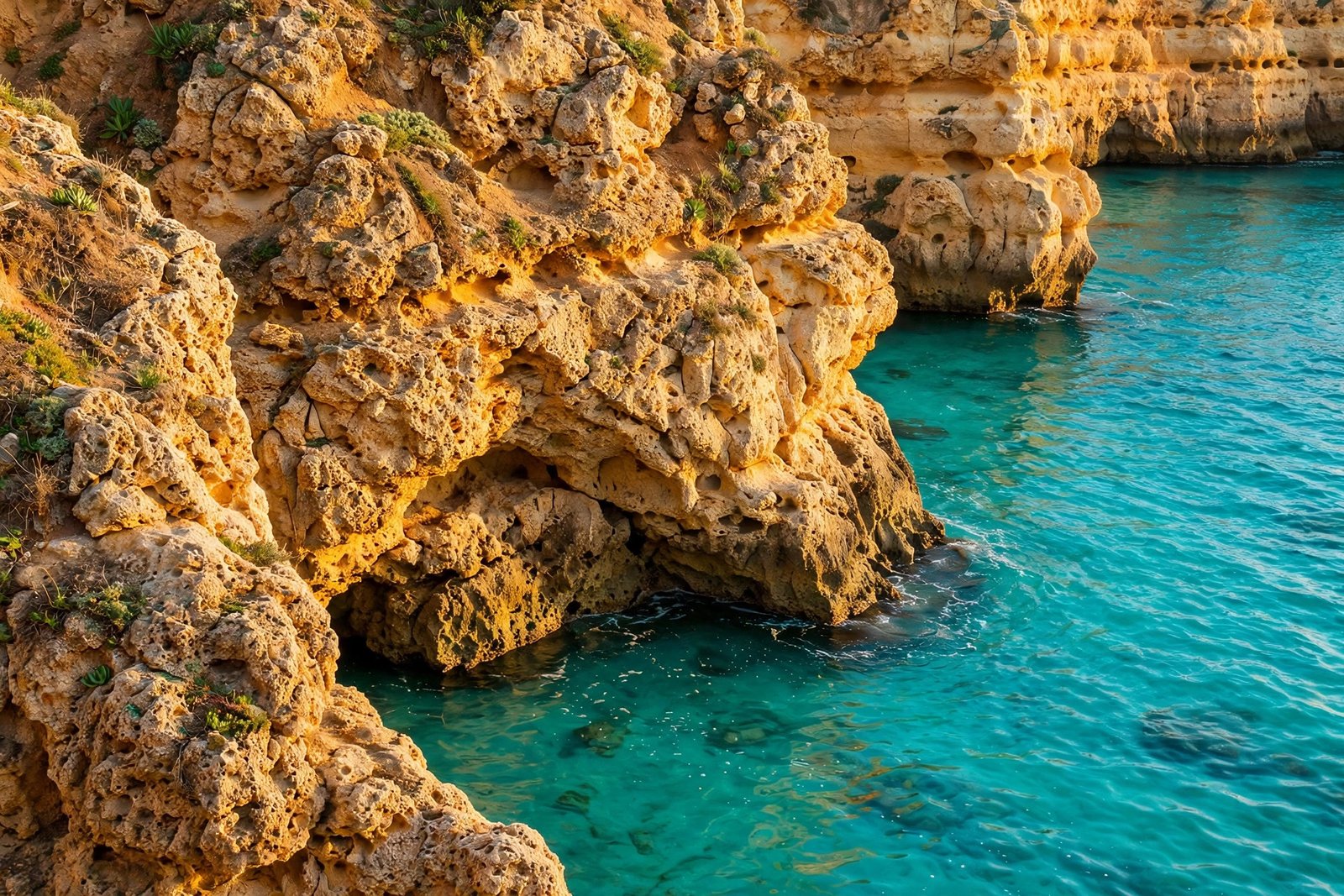
The Algarve coast is famous for golden limestone cliffs, sea caves and turquoise water — and far more affordable than it looks, especially outside July and August. Base yourself in Lagos for dramatic cliffs and a lively old town, or in Tavira in the east for a quieter feel. Benagil beach, with its famous sea cave, is best seen by boat or kayak; book early in summer. Hostels run around €40 a night in June, and prices fall sharply in May and September, when the sea is still warm.
Douro Valley: Wine Country by Train or Boat
East of Porto, the Douro River winds through terraced vineyards that have produced port wine for centuries. You do not need a tour: the train from Porto to Pinhão follows the river and is regularly called one of Europe’s most scenic rail journeys. Many quintas (wine estates) offer tastings for a modest fee.
Coimbra and Évora: Portugal Beyond the Big Two
If you have time, add a smaller city. Coimbra, halfway between Lisbon and Porto, has one of Europe’s oldest universities, a hilltop old town and a student atmosphere that keeps prices low. Évora, in the Alentejo east of Lisbon, is a whitewashed UNESCO-listed town of Roman ruins and cork-oak countryside. Both are easy, cheap train rides from Lisbon, and genuine hidden gems in Europe.
How Much Does Portugal Cost in 2027? Real Daily Budgets
Budget Traveller: €55–75 Per Day
- Sleep: Hostel dorms €25–35 a night in Porto and Lisbon in shoulder season; dorm beds €18–35 in Lisbon and €20–25 in Porto in February.
- Eat: Bakery breakfast with espresso (€0.80–1.50) and a pastel de nata (~€1.20–1.30), a prato do dia lunch for €8–14, and a tasca dinner for €20–35.
- Move: Viva Viagem card (~€0.50, ~€1.90 a ride, ~€7.25 for 24 hours); intercity trains booked early, including Lisbon–Porto promo fares from €10.50.
- Do: Free viewpoints, old-town walks and beaches; one paid sight a day, such as the Sé de Lisboa (€7) or Clérigos Tower (€10).
A budget day in Lisbon: dorm (€30) + breakfast (€3) + prato do dia lunch (€11) + tasca dinner (€22) + transport (€4) + Sé de Lisboa (€7) = ~€77 in peak shoulder season, less in winter or in Porto. A 7-day solo budget trip works out at roughly €450–600 excluding flights with hostels, tascas and early-booked trains.
Mid-Range Traveller: €110–160 Per Day
- Sleep: Lisbon 3-star doubles €80–120 a night in shoulder season, rising to €120–170 in June; in Porto and smaller towns, similar rooms cost less.
- Eat: Sit-down lunches and dinners at good local restaurants — a prato do dia at lunch, a tasca or seafood dinner in the evening.
- Move: Trains between cities, occasional taxis, and a hire car for the Algarve or Douro at €30–55 a day.
- Do: Paid sights most days, plus a boat trip or wine tasting.
A mid-range couple should budget roughly €1,300–1,700 for a week, excluding flights — a double room split two ways often costs little more per person than a hostel dorm in June.
What Things Actually Cost (Quick Reference)
- Espresso: €0.80–1.50; pastel de nata: ~€1.20–1.30
- Prato do dia lunch: €8–14; tasca dinner: €20–35
- Hostel dorm, Lisbon: €18–35 a night; Porto: €20–25 in February, €25–35 in shoulder season; Algarve: ~€40 in June
- Lisbon 3-star double: €80–120 shoulder season, €120–170 in June; Lisbon tourist tax: ~€4 per night
- Viva Viagem card: ~€0.50; single ride ~€1.90; 24-hour pass ~€7.25
- Lisbon–Porto train, promo fare: from €10.50; Lisbon–Faro: from €9
- Portugal Rail Pass (non-residents): €73 for 3 days of travel within a month
- Car rental: €30–55 a day; fuel €1.80–2.10 per litre
- Jerónimos Monastery / Pena Palace entry: €12–20; Sé de Lisboa: €7; Clérigos Tower: €10
The biggest money saver is timing: shoulder-season rooms and promo train fares can cut a trip’s cost by a third compared with June or August.
How to Get to Portugal and Get Around
Getting There
Lisbon and Porto both have international airports with budget flights from across Europe, and Faro serves the Algarve directly — flying into Faro and out of Lisbon (or the reverse) is a smart open-jaw option. From Lisbon airport, the metro reaches the city centre in under half an hour. For more ways to keep the journey cheap, see our guide to the best ways to travel cheaper in 2027.
Trains: CP, Promo Fares and the Rail Pass
Portugal’s national railway, CP, is the budget traveller’s best friend. Intercidades and Alfa Pendular services link Lisbon and Porto in around three hours, with promo fares from €10.50 for Lisbon–Porto and €9 for Lisbon–Faro — but only if you book early, as the cheapest tickets sell out first. Book on the CP website as soon as your dates are fixed. If you plan several long journeys, the Portugal Rail Pass for non-residents costs €73 for 3 days of travel within a month, and it can pay for itself with two longer trips.
City Transport: The Viva Viagem Card
In Lisbon, buy a Viva Viagem card (~€0.50) and load it with credit or a 24-hour pass (~€7.25). A single ride costs ~€1.90, and the card works across the metro, buses, trams and the ferry to the south bank. Tram 28 is often packed — ride it early or late, and walk the Alfama hills yourself at least once.
Driving: When a Car Is Worth It
You do not need a car for Lisbon, Porto, Sintra or Coimbra — trains cover them all, and parking in the old towns is a headache. But a car is worth hiring for two or three days in the Algarve or the Douro Valley, where buses are slow and the best beaches and quintas are spread out. Rental costs €30–55 a day, fuel runs €1.80–2.10 per litre, so split the cost between travellers. Book ahead in summer.
Best Time to Visit Portugal in 2027
- May–June and September: The sweet spot — warm, sunny days and a warm Algarve sea, below August prices. June is livelier and pricier than May, especially in Lisbon, where 3-star doubles reach €120–170.
- July–August: Peak season — hot (30°C+ in the Algarve and Alentejo), crowded beaches, and the highest prices of the year. Book ahead.
- March–April and October: Excellent for cities, palaces and wine country — cooler, with occasional rain, but far fewer tourists and the lowest prices outside winter.
- November–February: The cheapest months — Porto dorm beds drop to €20–25 and cities are quiet, but expect rain and some Algarve businesses closed. Best for city trips on a shoestring.
For the classic first trip — cities, coast and wine — aim for late May, early June or September. Our guide to the cheapest places to travel each month in 2027 can help you match your dates to the best-value destinations.
The Perfect 10-Day Portugal Itinerary
Day 1 — Arrive in Lisbon. Metro in, afternoon in the Baixa and Chiado, evening sunset from a miradouro and a tasca dinner.
Day 2 — Alfama and Belém. Morning in Alfama: Sé de Lisboa (€7) and the castle hill. Afternoon in Belém: Jerónimos Monastery (€12–20) and a pastel de nata.
Day 3 — Lisbon’s neighbourhoods. Ride Tram 28 early, explore Graça and LX Factory. Dinner in Bairro Alto.
Day 4 — Day trip to Sintra. Early train to Sintra, Pena Palace first to beat the crowds, then the old town. Back in Lisbon for dinner.
Day 5 — Lisbon to Porto. Morning train north on the €10.50 promo fare. Afternoon in the Ribeira, crossing the Dom Luís I Bridge on foot, dinner in a backstreet tasca.
Day 6 — Porto. Clérigos Tower (€10), the cathedral and old town, then the port lodges in Gaia. Sunset on the riverside.
Day 7 — Douro Valley day trip. Train along the river to Pinhão, a winery tasting, a slow riverside lunch, and the scenic train back.
Day 8 — Porto to the Algarve. Train south via Lisbon to Faro (look for the €9 Lisbon–Faro promo fare), then on to Lagos. Evening cliff walk and dinner.
Day 9 — Algarve coast day. Morning boat or kayak to the Benagil Cave, afternoon at a cliff-backed beach, seafood dinner.
Day 10 — Last morning in the Algarve, then depart. A final beach morning or Tavira, then fly home from Faro — or train back to Lisbon for an evening flight. With more time, add Coimbra or Évora between Porto and the Algarve.
Practical Tips for Portugal on a Budget
Money and the Tourist Tax
Portugal uses the euro, and cards are widely accepted — but carry cash for small tascas, markets and rural cafés. Lisbon charges a tourist tax of around €4 per night, usually collected by your accommodation. Use bank ATMs rather than standalone machines in tourist areas, which charge higher fees. For more on stretching a budget, see our dream budget vacations under $1,000 for 2027.
Eating Well for Less
The prato do dia is Portugal’s great budget secret: a set lunch of soup, a main, a drink and sometimes coffee for €8–14 at local tascas. Eat your main meal at lunch, and keep dinner simple — a tasca meal of €20–35 still feels generous. Avoid restaurants with picture menus and touts on the main squares; walk one street back and the same meal costs half as much.
Safety, Language and Staying Connected
Portugal is one of the safest countries in Europe, including for solo travellers — normal precautions in crowded trams and tourist squares are enough. English is widely spoken in tourist areas, and a few words of Portuguese (obrigado/a, por favor) go a long way outside them. A local SIM or eSIM is cheap and makes train bookings and maps far easier.
Portugal on a Budget FAQs
Is Portugal cheap to visit in 2027?
Yes — Portugal remains one of Western Europe’s cheapest countries. A budget traveller can manage on €55–75 a day, and a 7-day solo budget trip costs roughly €450–600 excluding flights. Food, transport and hostels are all noticeably cheaper than in France, Italy or Spain.
How much money do I need for 10 days in Portugal?
On a budget, allow roughly €550–750 per person excluding flights for ten days — hostels, prato do dia lunches, tasca dinners and early-booked trains. Mid-range, budget €1,100–1,600 per person, or €1,300–1,700 per couple for a week. The biggest variables are accommodation in June and August, and whether you hire a car.
Is Lisbon or Porto cheaper?
Porto is generally cheaper, especially for accommodation — dorm beds run €20–25 in February, and hostels cost €25–35 a night in shoulder season. Lisbon’s 3-star doubles run €80–120 in shoulder season and €120–170 in June, plus a tourist tax of around €4 a night.
What is the cheapest way to travel between Lisbon and Porto?
Book an Intercidades or Alfa Pendular train early on the CP website — promo fares start at €10.50, and Lisbon–Faro from €9. For several long trains, the Portugal Rail Pass costs €73 for 3 days of travel within a month for non-residents.
How many days do you need in Portugal?
Ten days is ideal: three days in Lisbon, a day in Sintra, three days in Porto and the Douro, and two to three days in the Algarve. With seven days, drop the Algarve or the Douro. With fewer than five, pick one city and one day trip.
What is the best month to visit Portugal on a budget?
May, September and October offer the best balance of weather, prices and crowds. June is beautiful but pricier, especially for Lisbon hotels. The cheapest months are November to February, when Porto dorm beds drop to €20–25. See our guide to the best places to travel in 2027 for more on timing.
Final Thoughts: Portugal Is the Budget Trip That Feels Like a Splurge
Portugal is the rare destination where a budget trip does not feel like a compromise. You eat superbly for €8–14 at lunch, sleep well for €25–35 a night, and cross the country by train for €10.50, in front of views — the Ribeira at sunset, the cliffs of the Algarve, the palaces of Sintra — that would cost three times as much elsewhere in Western Europe. Go in shoulder season, book trains early, and eat where the locals eat.
Ready to plan your trip? Start with our Lisbon on a budget 2027 guide, compare Portugal with the cheapest cities in Europe for 2027, and browse the best places to travel in 2027 for your next adventure. Bom viagem!