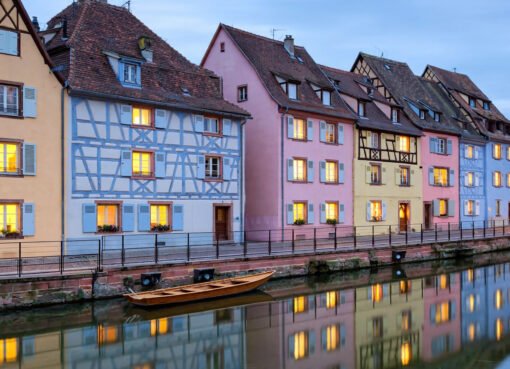
Spain is the rare European destination that still feels like a bargain — if you know where to spend and where to save. A three-course lunch with wine for €12–16, a world-class museum for €15, a high-speed train gliding between two great cities for less than a dinner in Paris. That is the Spain this Spain on a budget 2027 guide is built around: real daily costs, the cheapest regions, the best-value cities, a 10-day itinerary, and the practical rules that changed in 2026–2027 — from Barcelona’s tourist tax to the new Basque Country charge and the EU’s fingerprint border checks.
Spain is not dirt cheap anymore, and anyone telling you otherwise is quoting prices from 2019. But it remains one of the cheapest countries in Western Europe, and the gap between its regions is enormous: a budget traveller spends roughly €40–70 a day in Andalusia and Galicia, versus €70–105 in Barcelona, for the same standard of travel. Destination choice is the single most powerful cost lever you have — and this guide shows you how to pull it.
Spain on a Budget 2027: Why Go Now
Three things make 2027 the year to plan Spain properly:
- The value gap is real. A week in Andalusia costs roughly €560–980 mid-range per person, versus €945–1,470 for a Barcelona week, according to fresh 2027 cost breakdowns. Same country, same sunshine, very different bill.
- Summer 2027 is already being booked. US–Spain return fares in recent October 2026 snapshots ran about $585–880, averaging near $715 — and the cheapest fares go first. Booking in the Black Friday / Travel Tuesday window (27 November–1 December 2026) is the last big chance to lock in low fares before January prices rise.
- The rules changed, and knowing them saves money. Barcelona’s tourist tax rose in April 2026, the Basque Country starts charging one from 1 January 2027, and the EU’s Entry/Exit System replaced passport stamps with fingerprint scans in April 2026. None of these should stop you — but all of them affect your budget and your arrival.
How Much Does Spain Cost in 2027? Real Daily Budgets
All figures below are approximate, drawn from fresh 2026–2027 cost guides (per person, excluding international flights). Prices vary by season — May and September are the sweet spot; August is the most expensive month.
Budget Traveller: €50–80 Per Day
- Sleep: Hostel dorms €20–40 a night (Granada ~€20–29, Barcelona €46–66 in peak weeks); budget guesthouses and hostals from €35–50.
- Eat: Bakery breakfast €2–4; menú del día (three-course weekday lunch with a drink) €12–16; tapas dinner €8–15; supermarket picnic under €7.
- Move: Metro and bus single tickets €1.50–2.50; city day passes ~€8–10; intercity buses €10–25.
- Do: Free museum hours, free walking tours (tip €5–10), parks and plazas free; major sights €12–26.
A budget day in Granada: dorm bed (€26) + bakery breakfast (€3) + menú del día (€13) + tapas dinner (€10) + bus fares (€3) + one sight (€15) = ~€70. In Seville or Madrid, expect €60–75; in Barcelona, €75–95.
Mid-Range Traveller: €120–180 Per Day
- Sleep: Comfortable 3-star hotel or private room €80–140 a night for a double (couples effectively halve this); Barcelona doubles average around €223 in May, Granada around €110.
- Eat: Restaurant meals €15–25; a nice seafood dinner in San Sebastián €30–40; good Rioja or Albariño €3–5 a glass.
- Move: AVE high-speed trains €25–60 booked early; occasional taxis; a rental car for Andalusia ~€30–45/day.
- Do: A guided food tour €40–60; a flamenco show €20–35; a day trip €25–40.
A real published 8-day trip for two in November came to $103 per person per day on the ground — proof that a mid-range Spain trip is very doable under €100 a day outside peak season.
What Things Actually Cost (Quick Reference)
- Espresso at a bar counter: €1.50–2; at a table: €2–2.50
- Menú del día: €12–16 (Catalonia at the higher end, Andalusia and the north cheaper)
- Tapas: €2–4 each; a caña (small beer): €2–3.50
- Madrid metro single: ~€1.50–2; 10-trip pass ~€6–12 depending on zone
- Prado: €15; Reina Sofía: €12; Royal Palace Madrid: €18
- Sagrada Família: €26; Park Güell: €18; Casa Batlló: from €29
- Alhambra (Granada): ~€19–21 — book weeks ahead, it sells out
- Real Alcázar (Seville): ~€15.50; Mezquita-Cathedral (Córdoba): €13
Best Places to Visit in Spain on a Budget
Madrid: The Capital That Costs Less Than You Think
Madrid is the best-value big city in Spain — and the one with no tourist tax at all. The Prado (€15), Reina Sofía (€12), Thyssen (€14) and Royal Palace (€18) total €59, or €50.80 with the Paseo del Arte card, and the Prado and Reina Sofía are free in their final opening hours. Retiro Park, the Rastro flea market on Sundays, and the tapas streets of La Latina cost almost nothing. Stay near Lavapiés or Malasaña for cheaper rooms and better food than the Gran Vía strip. Give Madrid 2–3 nights.

Seville: Andalusia’s Showpiece
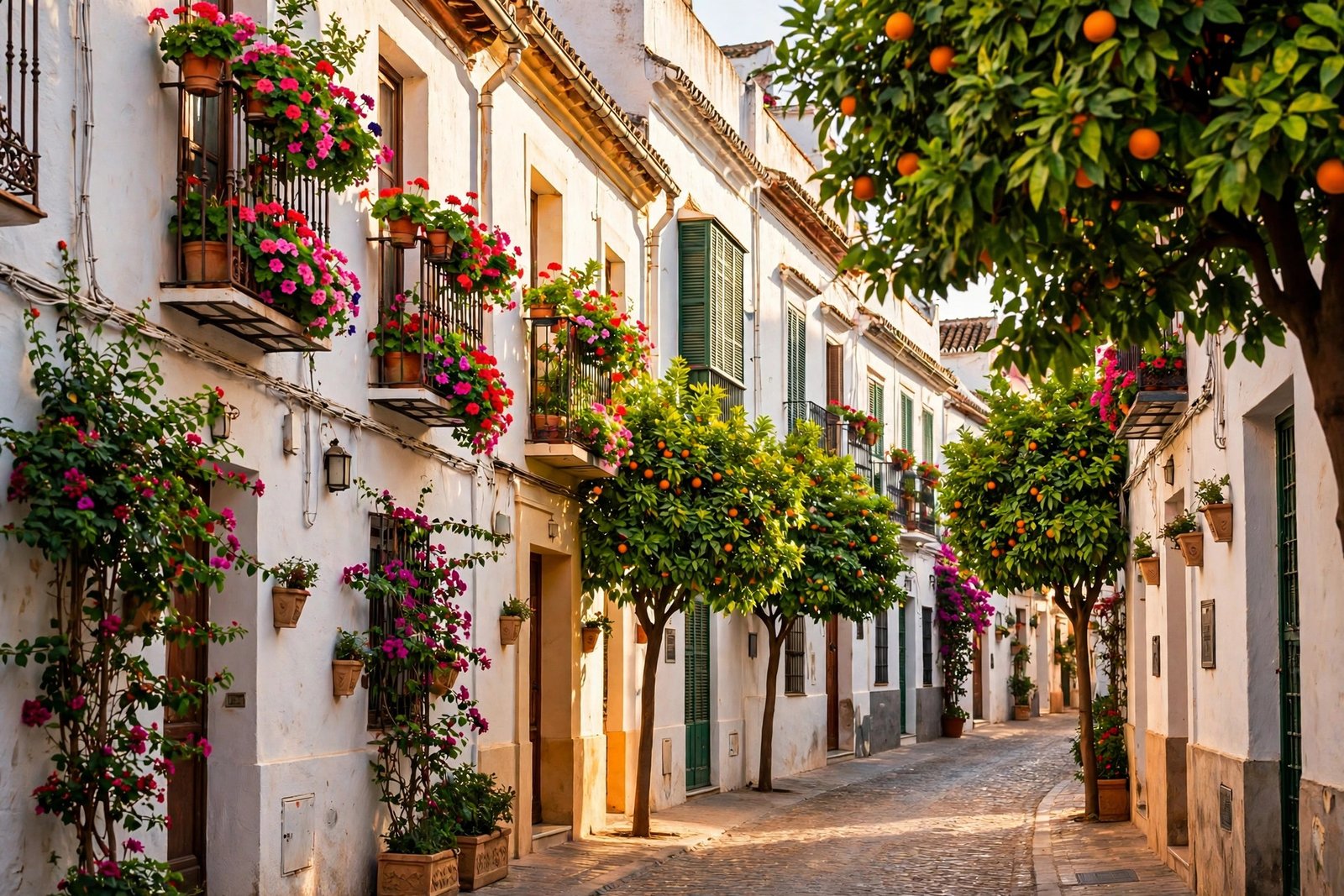
Seville is the city that makes people fall in love with Spain: the Real Alcázar, the Giralda tower, Plaza de España, orange trees on every corner, and flamenco in tiny bars. A mid-range day here runs about €131 per person, and a menú del día is just €12 — the cheapest of the big cities. Visit in spring (April–May) or autumn (October); summer regularly tops 40°C. Two nights is the minimum; three lets you add a day trip to Córdoba or Ronda.
Granada: Spain’s Best-Value City
Granada is the cheapest stop on the classic route for a reason: doubles average ~€110 a night, dorms €20–29, and the Alhambra is one of Europe’s greatest sights at ~€19–21. The Albaicín quarter’s whitewashed lanes and the Mirador de San Nicolás sunset view over the Alhambra are free. Many bars still serve a free tapa with every drink — a tradition that has mostly vanished elsewhere in Spain. Two nights here, and book Alhambra tickets the moment they go on sale for your dates.
Córdoba: The Mezquita and a Slower Pace
Córdoba is a perfect one-night stop between Seville and Granada. The Mezquita-Cathedral (€13) is one of the most extraordinary buildings in Europe, the Judería’s flower-filled patios are free to wander, and a budget of €45–65 a day covers a central hostal, two restaurant meals and the Mezquita. Come in May for the Patio Festival, when private courtyards open to the public for free.
Barcelona: Worth It — If You Play It Smart
Barcelona is Spain’s most expensive city, and it is also unmissable: the Sagrada Família, Park Güell, the Gothic Quarter, and the beach ten minutes from the centre. The trick is to contain the damage. Stay outside the old town (Gràcia or Poble Sec), eat menú del día at lunch, use the €10.30 day travel pass, and remember the tourist tax: €7 per adult per night at a 3-star hotel, €8.40 at a 4-star, €12 at a 5-star, for up to seven nights (under-17s exempt), rising again on 1 April 2027. Two to three nights is enough — then head south, where your money goes 35–45% further.
Valencia: The Cheaper Barcelona
Valencia is the city Barcelona used to be: a real old town, a beach, the home of paella, and the futuristic City of Arts and Sciences — without Barcelona’s prices or crowds. A mid-range day runs about €140 per person, pushed up mainly by the €39.45 Oceanogràfic ticket; skip it and Valencia is one of Spain’s best-value cities. The Turia Gardens, a 9 km park in a former riverbed, are free and brilliant for cycling. Two nights.
San Sebastián and the Basque Country: Splurge Smart
San Sebastián has Spain’s best food scene — pintxos bars in the Parte Vieja, three-Michelin-star restaurants, and La Concha beach, often called Europe’s most beautiful city beach. It is also the priciest corner of Spain, with mid-range days of €115–185. Go in shoulder season, eat pintxos standing at the bar (€2–4 each, a full dinner for €15–20), and note the new Basque tourist tax starting 1 January 2027 — check the final rate when you book. One or two nights as a treat, not a base.
The Balearic Islands: Mallorca on a Budget
Mallorca in shoulder season (May, late September, October) is a different island from August: the Balearic tourist tax drops by 75% from 1 November to 30 April, flights and hotels fall sharply, and the Serra de Tramuntana villages — Valldemossa, Deià, Sóller — are at their best. Base in Palma’s old town, take the vintage wooden train to Sóller, and hike the coast. If you are island-hopping, our places like the Maldives but cheaper guide has more warm-water alternatives for the same money.
How to Get Around Spain Cheaply
Trains: Book AVE Early, Use Buses Otherwise
Spain’s AVE high-speed network is superb — Madrid to Seville in 2.5 hours, Madrid to Barcelona in 2.5–3 hours — but walk-up fares are painful. Book 4–8 weeks ahead on Renfe, or check low-cost rivals Ouigo and Avlo, which undercut Renfe on the same routes. For shorter hops, buses (ALSA) are often half the price and barely slower. Note: rail services between Madrid and Andalusia were disrupted in late October 2026 after a collision near Los Yébenes — check live timetables before you travel.
Flights: The Black Friday Window
Spain is one of the best-served countries in Europe from the US, UK, Canada and Australia, with budget carriers flying into Madrid, Barcelona, Málaga, Alicante, Palma and Seville. Recent October 2026 snapshots put US returns at about $585–880, averaging near $715. The Black Friday / Travel Tuesday window (27 November–1 December 2026) is the year’s best moment to book — fares typically rise through January. Our Black Friday travel deals 2026 guide explains exactly how to work the sale.
Cities: Walk, Then Metro
Spanish city centres are compact and walkable — Madrid, Seville, Granada and Córdoba are best explored on foot. For longer hops, buy 10-trip metro/bus passes rather than single tickets, and look for free museum hours (the Prado is free in its final hours; most state museums are free on Sunday mornings). If you are planning a longer European trip, our cheapest cities in Europe 2027 guide shows how Spain stacks up against the rest of the continent.
Best Time to Visit Spain in 2027
- April–June and September–October: The sweet spot. Warm days (22–28°C), festivals everywhere, lower prices, and sights without the August crush. Seville’s Feria de Abril and Córdoba’s Patio Festival fall in this window.
- July–August: Peak season. Hot (35–40°C inland), crowded, and Barcelona hotel rates at their highest. The north coast (San Sebastián, Santander, Galicia) is the exception — mild and lovely.
- November–March: The budget traveller’s secret. Madrid and Seville are mild and sunny, Granada is crisp and clear, hotel rates drop 30–50%, and a published November trip for two cost just $103 per person per day on the ground. Andalusia is the best winter-sun value in mainland Europe — see our cheapest winter sun destinations 2027 guide for the full comparison.
The Perfect 10-Day Spain Itinerary (Budget Route)
Days 1–2 — Madrid. Arrive, Prado and Retiro Park, tapas in La Latina, a day trip to Toledo if you have a spare day. Budget base, no tourist tax.
Day 3 — Madrid to Córdoba. Morning AVE (about 1h 45m). Afternoon in the Mezquita and the Judería. Overnight in the old town.
Days 4–5 — Seville. Real Alcázar, Giralda, Plaza de España, flamenco in Triana. Cheapest menú del día of the big cities (€12).
Days 6–7 — Granada. Alhambra (book ahead), Albaicín sunset, free tapas with every drink. The cheapest city on the route.
Day 8 — Granada to Valencia. Bus or train north. Evening in the old town; paella is a lunch dish here, not dinner.
Days 9–10 — Barcelona. Sagrada Família, Park Güell, Gothic Quarter, beach. Stay in Gràcia, eat lunch like a local, and fly home from Barcelona. Total overland transport for the route: roughly €120–180 per person with advance train bookings.
Money, Tourist Taxes and Border Rules for 2027
The Tourist Tax Patchwork
Spain has no national tourist tax — each region decides for itself. As of late 2026: Barcelona charges €7–12 per person per night depending on hotel class (rising again 1 April 2027); the Balearic Islands charge €1–4 (75% less in low season); Galicia charges €1–2.50 in Santiago de Compostela and A Coruña; the Basque Country starts its own tax on 1 January 2027. Madrid, Málaga, Seville and the entire Valencia region charge nothing. Always check the final rate when you book — these change fast.
Entry Rules: EES Fingerprints, ETIAS Not Yet Live
The EU’s Entry/Exit System has been fully running since 10 April 2026: passport stamps are gone, replaced by fingerprint and photo scans at the border. ETIAS, the EU’s planned online travel authorisation, is not operating as of November 2026 — applications are not open and launch is now expected in 2027, with a fee of €20 when it starts. US, UK, Canadian and Australian citizens can still visit visa-free for up to 90 days in any 180-day period. For the latest on how border rules affect other destinations, see our Greece on a budget 2027 guide, which covers the same EES/ETIAS picture.
Money Tips
Spain uses the euro. Cards work almost everywhere, but carry cash for small bars, markets and rural buses. Tipping is light — round up the bill or leave 5–10% at nicer restaurants. Non-EU visitors can reclaim VAT (IVA, 21% on most goods) on purchases taken home, with no minimum spend. And the single best money habit in Spain: eat your main meal at lunch. The menú del día saves €15–25 a day versus ordering the same courses à la carte.
Spain Travel FAQs
How much money do I need for a week in Spain in 2027?
On the ground, excluding international flights: roughly €350–560 budget (hostels, menú del día, buses) or €840–1,260 mid-range (hotels, restaurants, AVE trains). An Andalusia-focused week runs €560–980 mid-range; a Barcelona week €945–1,470. All figures are approximate and season-dependent.
Is Spain cheaper than Italy or France in 2027?
Yes — noticeably. Daily budgets run about $55–80 budget and $120–210 mid-range, versus higher figures in France and Italy. Food is where Spain wins hardest: the menú del día has no real equivalent in Paris or Rome. If you love Italy, our secret places in Italy with no crowds guide shows how to enjoy it cheaply too.
What is the cheapest month to visit Spain?
January and February, then November. Hotel rates drop 30–50% from summer peaks, flights are at their cheapest, and Andalusia stays mild and sunny (Seville ~17°C, Málaga ~18°C). The trade-off is shorter days and cooler evenings — pack a jacket.
Do I need to book the Alhambra and Sagrada Família in advance?
Yes — both sell out, especially the Alhambra. Book Alhambra tickets the moment they go on sale for your dates (weeks ahead in spring and autumn). Sagrada Família tickets should be booked at least a few days ahead; note its official ticket page showed a temporary closure on 1 November 2026, so check its status before you go.
Is Spain safe for solo travellers?
Yes — Spain is one of the safest countries in Western Europe for solo travel, including for women travelling alone. Normal city precautions apply: watch for pickpockets on the Barcelona metro and in crowded tourist areas, and keep bags in sight at outdoor cafés. For more, see our best solo travel destinations in Europe guide.
Can I visit Spain on €50 a day?
Yes, outside Barcelona and the Balearics, and outside July–August. A €50 day looks like: dorm bed (€25) + bakery breakfast (€3) + menú del día (€13) + tapas and a drink (€7) + walking everywhere. In Andalusia and Galicia, €40–70 a day is realistic for a careful budget traveller.
Final Thoughts: Spain Rewards the Slow, Cheap Traveller
Spain is not the cheapest country in Europe — that crown belongs further east, and our Albania travel guide 2027 proves it. But no other Western European country gives you this much for this little: world-class art, food, architecture and beaches, a high-speed rail network, and a lunch culture that feeds you like royalty for €12. Go in spring or autumn, base yourself in Andalusia, eat lunch like a local, book your trains early — and Spain will give you the best-value trip in Western Europe.
Ready to plan? Start with our best places to travel in 2027 overview to see where Spain fits your year, then check Portugal on a budget 2027 if you want to combine both Iberian countries in one trip — they pair beautifully by train. Happy travels!